Ollantaytambo: The Inca Village You Shouldn’t Just Pass Through
Ollantaytambo is magical, but its real charm reveals itself after the trains have gone and the day-trippers have disappeared.
If you are going to Machu Picchu by train, don't just pass through Ollantaytambo on the way. Get off the train, stay a night or two and explore. We were lucky enough to spend four nights here, and this tiny town in the Sacred Valley became one of our favorite places in Peru.
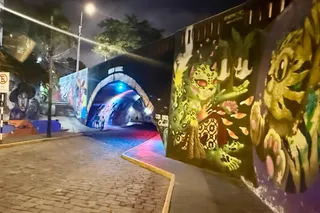
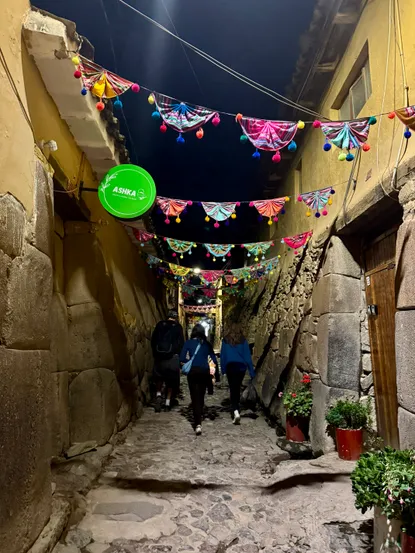
Ollantaytambo is magical, but its real charm reveals itself after the trains have gone and the day-trippers have disappeared. At night, we would wander its narrow cobblestone streets, with the sound of water bubbling through the ancient Inca canals that still run through the town. Stone walls, tiny doorways, balconies, little courtyards and tiny restaurants with fires burning inside. It was charming, intimate and completely enchanting.
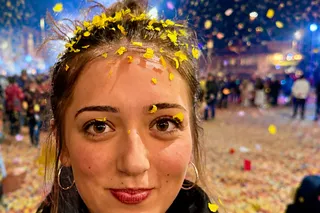
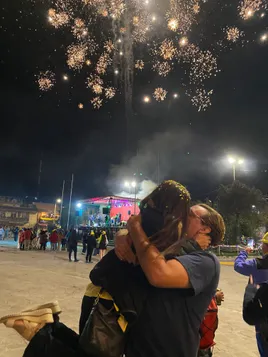
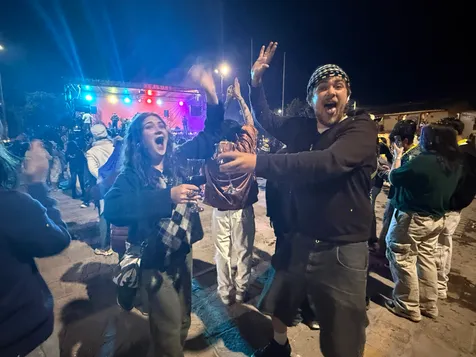
On New Year's Eve, we danced in the square with the locals, throwing yellow confetti into the air. It was one of the highlights of our trip.
For all its extraordinary history, Ollantaytambo still feels like a real town, with people who live here rather than simply a place built around tourism.
During the day, we explored the famous Inca ruins above the town with a guide.
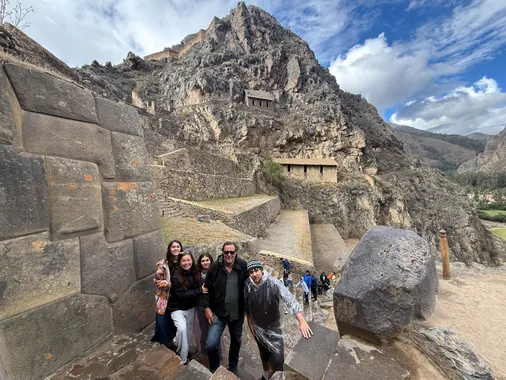
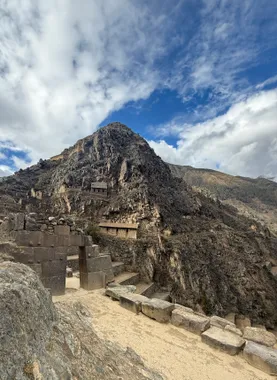
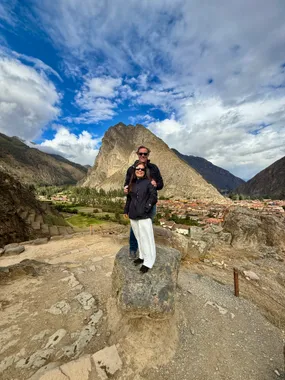
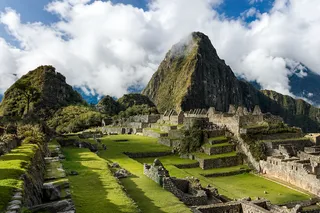
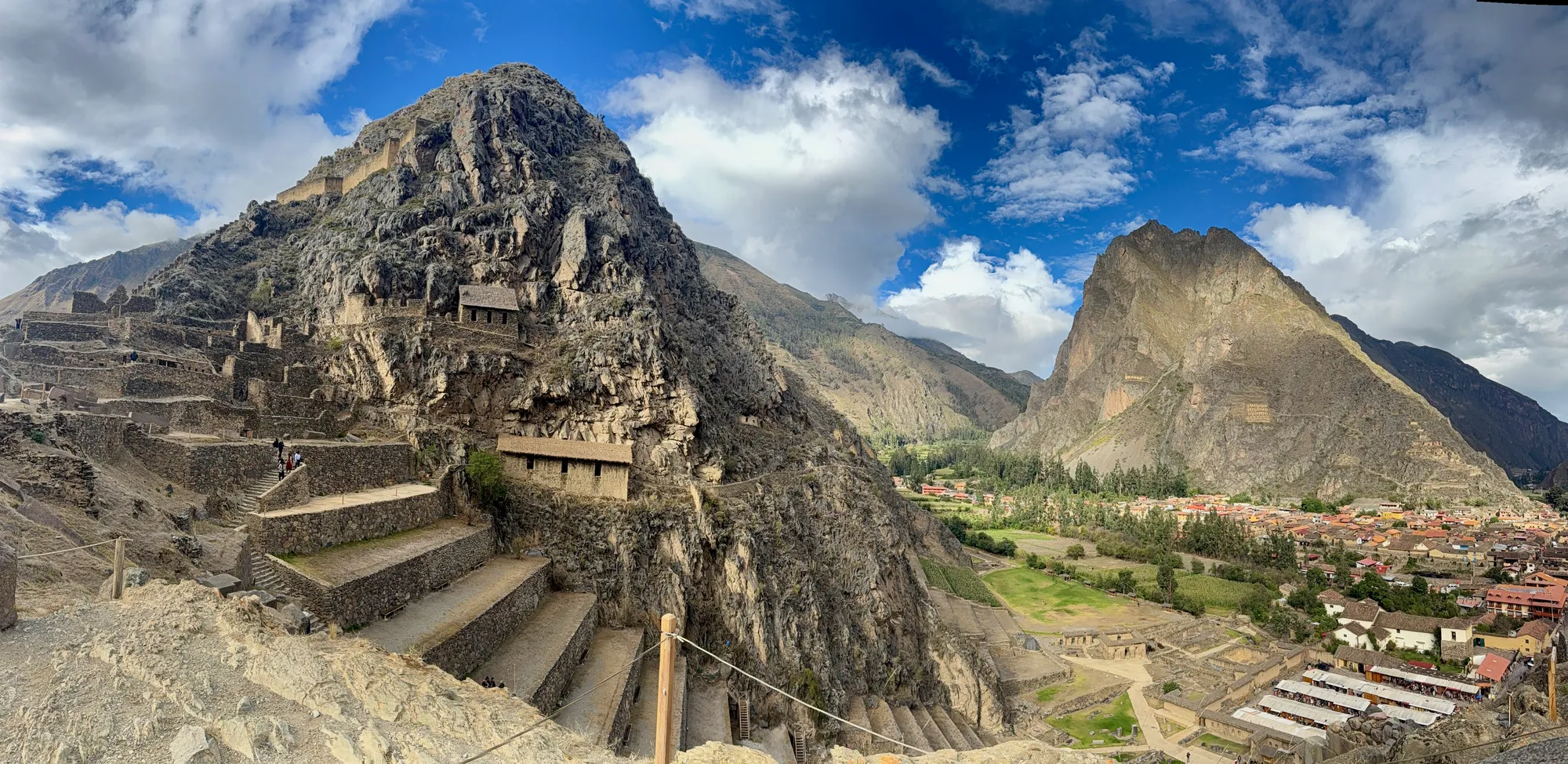
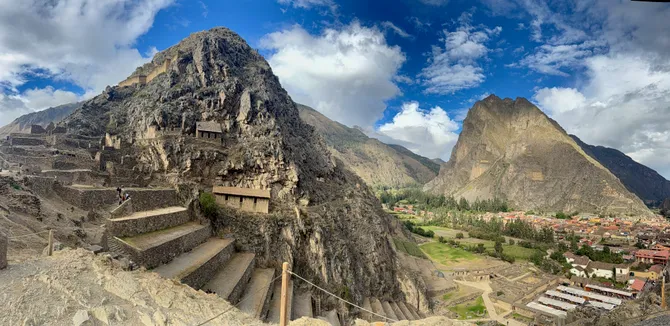
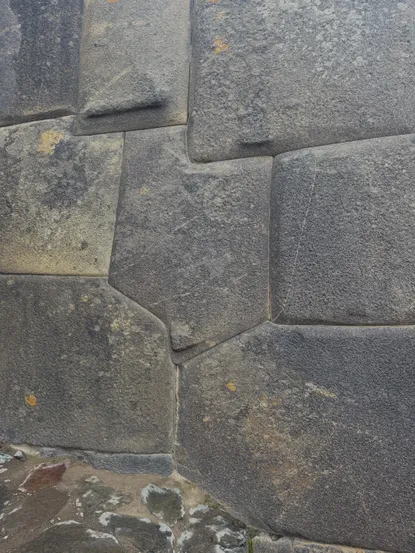
Ollantaytambo was an important royal and ceremonial center of the Inca Empire, greatly developed under the Inca ruler Pachacuti in the 15th century. The ruins are spectacular. Enormous agricultural terraces climb the mountainside, while huge, precisely fitted stones form temples, walls and ceremonial spaces. Some of the stones are so massive that even standing in front of them, it is difficult to understand how the Incas quarried, transported and fitted them with such precision.
Then, looking across the valley, another set of Inca ruins climbs the mountainside. This is Pinkuylluna, where a series of stone storehouses, or qullqas, cling to the steep slope above the town. Built high above Ollantaytambo, they were used to store food and supplies, taking advantage of the cool, dry mountain air.
I want to add a word of caution here. Pinkuylluna is very steep and not an easy climb. Just before we visited, a tourist had fallen and died on the mountain, so some of our group decided not to attempt it, myself included. I opted to explore the other ruins instead. Looking up at Pinkuylluna from below.
Even from town, they are an extraordinary sight. The ancient stone structures seem to cling to the mountainside, looking down over Ollantaytambo. Together with the enormous ruins on the opposite side of the valley, they give the town its remarkable sense of being surrounded by Inca history.
And yet Ollantaytambo isn't just about the ruins. The town itself is small enough to walk everywhere, with wonderful cafés, little shops, massage places and restaurants tucked into the narrow streets.
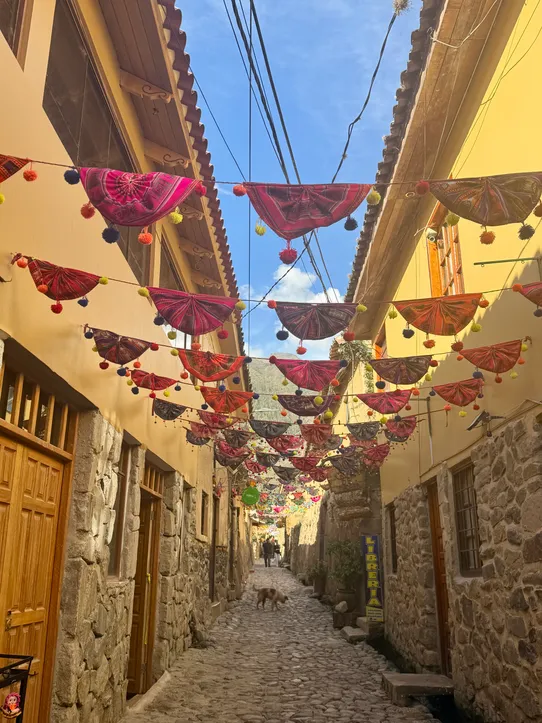
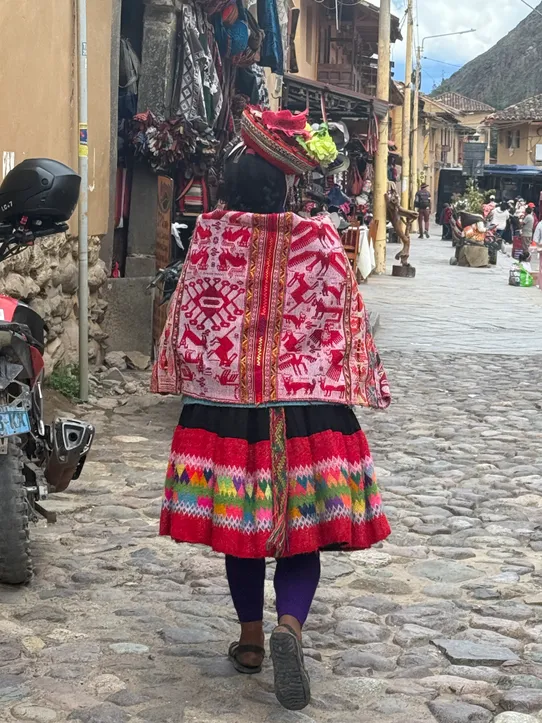
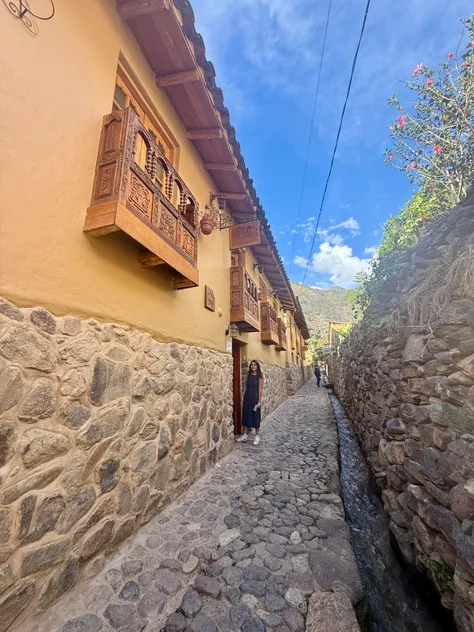
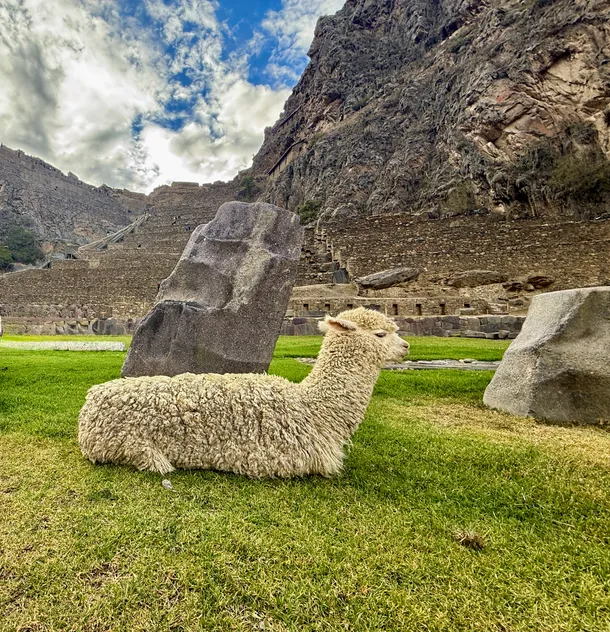
That combination is what we loved about Ollantaytambo. The ancient and the everyday sit side by side.
If you are looking for a good cup of coffee try Latente. https://www.instagram.com/latente
And, of course, we found two restaurants in particular that we loved.
Chuncho
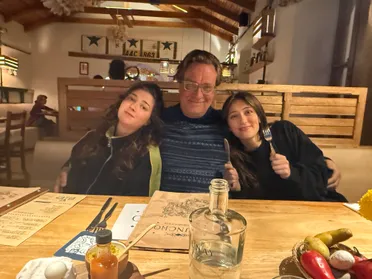
Noah had read about Chuncho and wanted to go. We had just spent the entire day at Machu Picchu, and by the time we got back to Ollantaytambo, we were all exhausted. But we didn't want to miss dinner, so we sprinted to the restaurant, arriving just before the last dinner service ended.
Chuncho is upstairs on the corner of the Plaza de Armas, and it is not what you might expect from a restaurant that has attracted so much attention. It is simple and rustic, with wooden booths, an uncomplicated large dining room and a balcony looking out over the square. Nothing fancy. Just warm, comfortable and very inviting after a long day.
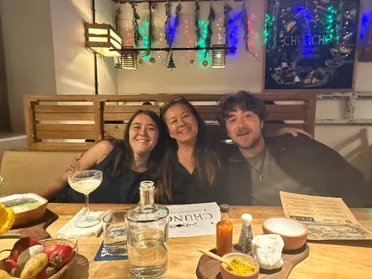
Chuncho opened in 2018, the creation of Joaquín Randall, whose family has been part of Ollantaytambo for generations. His parents, Robert Randall and Wendy Weeks, came to the Sacred Valley from the United States and established El Albergue, the small hotel at the Ollantaytambo train station, which also has its own restaurant. Its kitchen works with produce from the hotel's organic farm and local farmers, with dishes ranging from Andean specialties to international favorites.
Joaquín grew up at El Albergue, surrounded by the valley, its people and its food. Eventually he wanted to create something of his own that would put the cooking of Ollantaytambo at the center.
The result was Chuncho, a restaurant devoted to the ingredients, recipes and food traditions of the Sacred Valley. Even the name is telling: chuncho comes from Quechua and means “native” or “wild.” The restaurant works with produce from its own organic farm as well as local growers and suppliers, and the menu changes with the seasons and whatever is growing.
At the heart of the kitchen is Josefina “Jossi” Rimachi, and her story is almost inseparable from the food she cooks. Jossi was born in Ollantaytambo and grew up cooking and watching her mother prepare the dishes served at family and community celebrations. Her father was also a cook, preparing food for groups travelling the Inca Trail and other mountain routes. She later studied tourism in Cusco and worked at Cicciolina before returning home to Ollantaytambo.
She is largely self-taught, and that is part of what makes her cooking so interesting. Her knowledge comes from the Andean kitchen she grew up in rather than from a conventional culinary-school background. Today, she also teaches Cusqueñan gastronomy, passing on techniques and knowledge that have been handed down through generations.
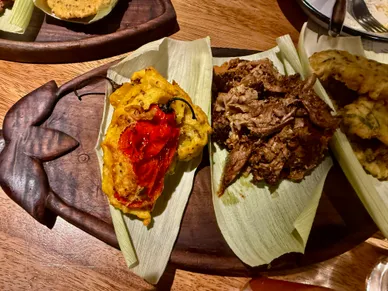
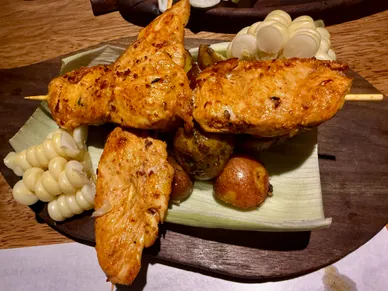
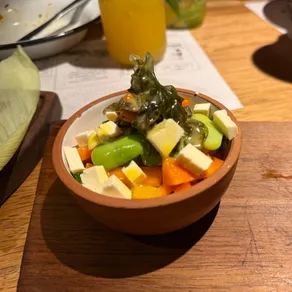
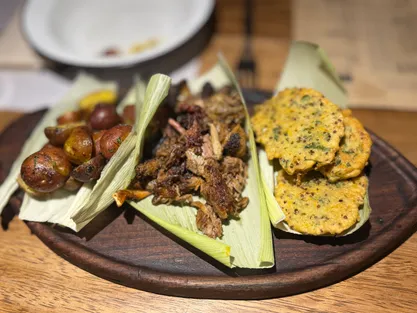
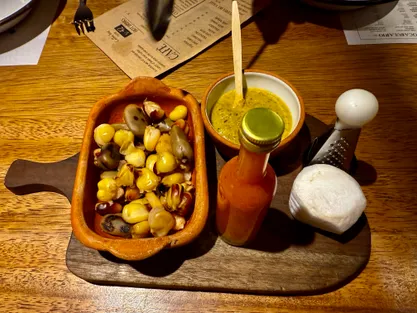
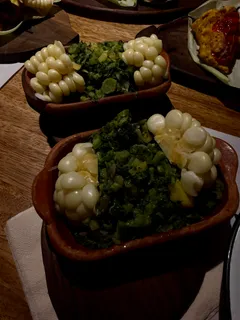
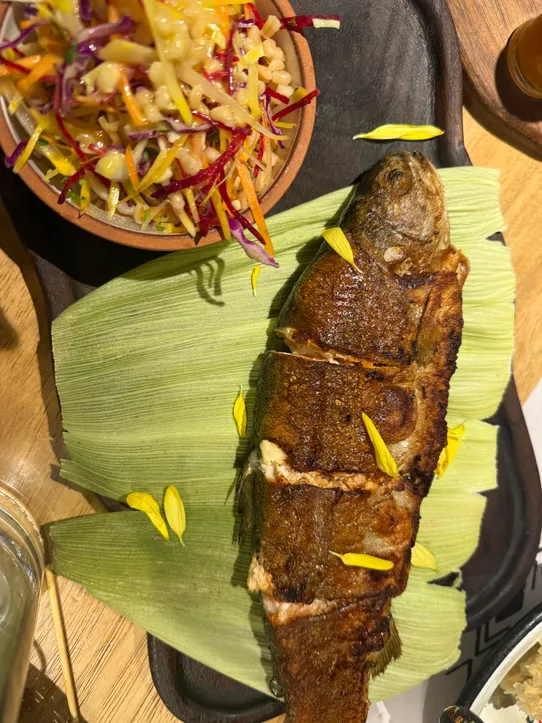
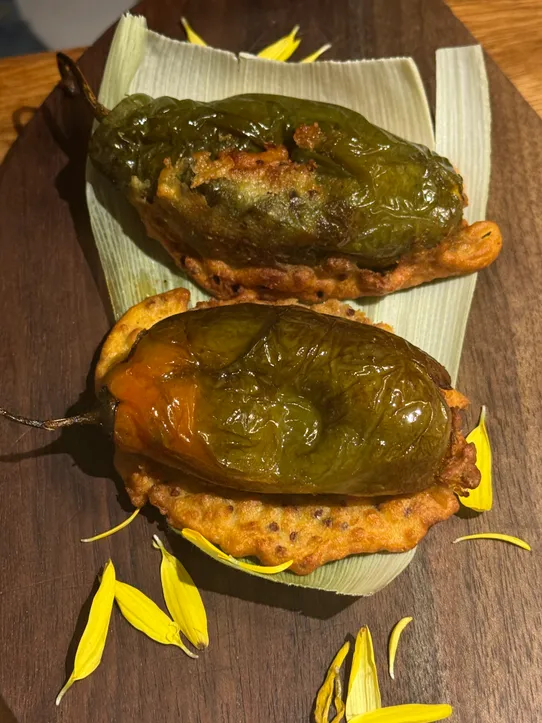
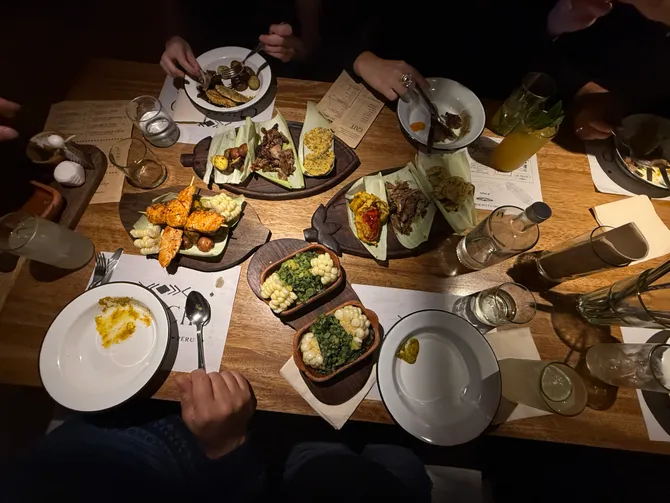
The menu is a celebration of the valley: native potatoes, corn, quinoa, olluco, chuño, squash, local herbs and other ingredients that don't usually make it onto menus aimed at international visitors. There are dishes featuring lamb, alpaca, trout, duck and guinea pig, alongside soups, lawas, quinoa fritters and other Andean specialties. Reviews of the restaurant particularly mention dishes such as trout, slow-cooked duck in chicha and alpaca, while the Chuncho Banquet offers a chance to try a wide selection of the kitchen's food.
What I particularly love about the story is that Chuncho doesn't seem to be trying to reinvent Andean food. It is trying to remember it.
By the time we sat down that night, I was very glad Noah had found this gem. And because we were a group of seven, we did what you do when faced with a menu full of things you've never tried: we ordered almost everything. It was delicious.
And then there was the cocktail.
Chuncho's bar makes cocktails from local ingredients and spirits produced at Destilería Andina, including Caña Alta, a local sugar-cane spirit. The Saqra, which was so yummy, combines Caña Alta Verde with pomegranate, lime, ginger beer, Maras salt, and molle peppercorns.
Another group favorite was the Wari, combining Caña Alta with ginger and achira syrups, lime and ginger beer.
The food was really good, the cocktails memorable, and considering the quality and the amount we ordered, the prices felt surprisingly reasonable.
We liked Chuncho enough that we came back again.
Chuncho
Esquina Chaupi Calle s/n, Plaza de Armas de Ollantaytambo, Ollantaytambo 08676, Peru
ALQA
We came to ALQA for lunch, and it was the complete opposite of Chuncho.
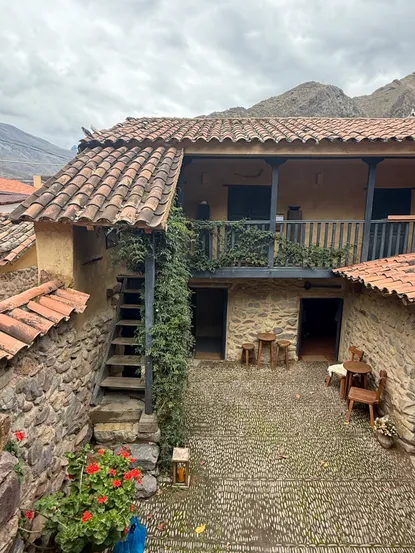
Where Chuncho is rustic, relaxed and wonderfully uncomplicated, ALQA is refined, artistic and beautifully composed. Tucked inside the Museo de Arte Popular Andino, the restaurant opens onto a beautiful garden, where we ate surrounded by greenery and old stone walls. It felt like a little oasis away from the cobblestone streets and the crowds passing through Ollantaytambo.
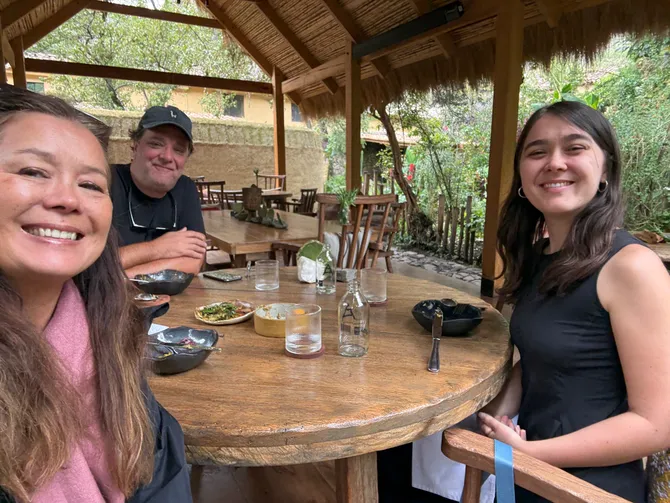
Every plate was a little work of art. Sauces were painted across handmade ceramic plates, vegetables and meats carefully arranged, and edible flowers seemed to appear everywhere. Borage, calendula and other flowers brought wonderful flashes of color to the food. I love flowers on a plate when they aren't simply decoration, but feel connected to the garden and the landscape around them.
ALQA calls itself a laboratorio gastronómico, and while that sounds a little pretentious, it is actually a pretty good description. Its cooking takes native Andean ingredients and pre-Hispanic food knowledge and moves them into contemporary territory. The restaurant works with local farmers and its own garden, and its philosophy is centered on the Andean farmer, native ingredients and agricultural knowledge accumulated over thousands of years.
Peru has an extraordinary agricultural heritage, with thousands of varieties of potatoes and an astonishing diversity of native corn, tubers, grains and herbs. ALQA doesn't hide those ingredients behind familiar international flavors. Instead, they are the stars of the plate, reinterpreted with contemporary techniques.
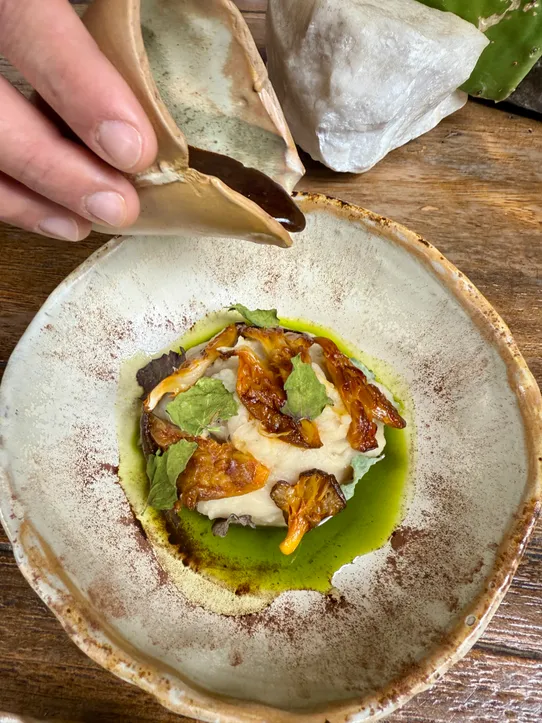
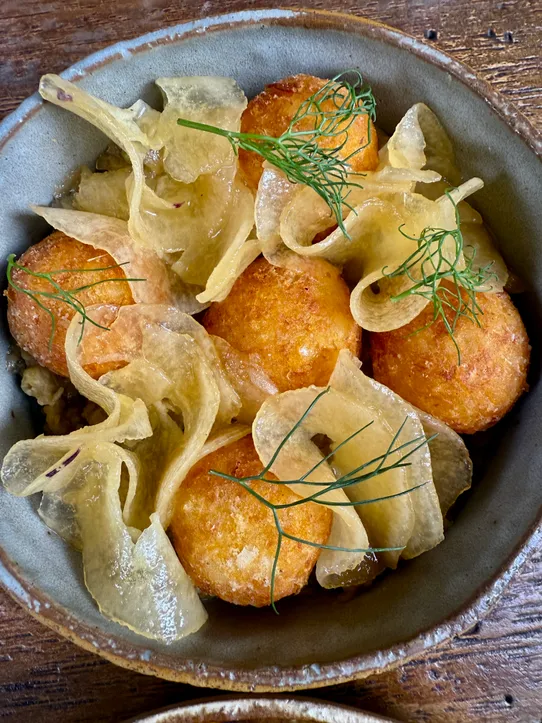
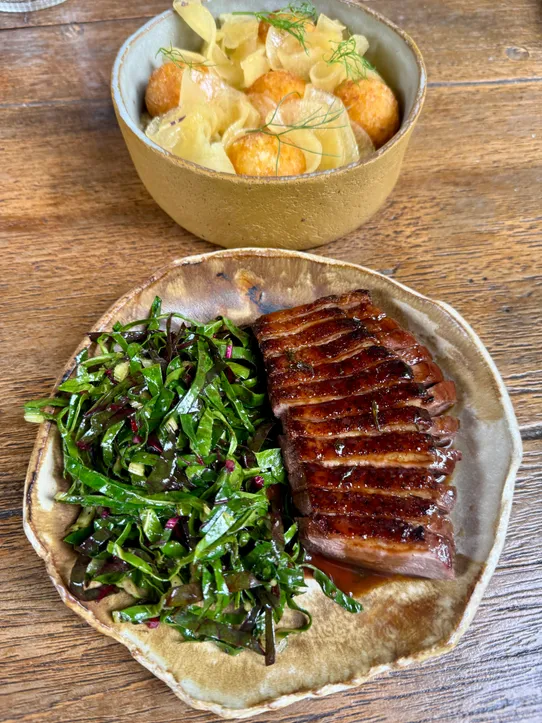
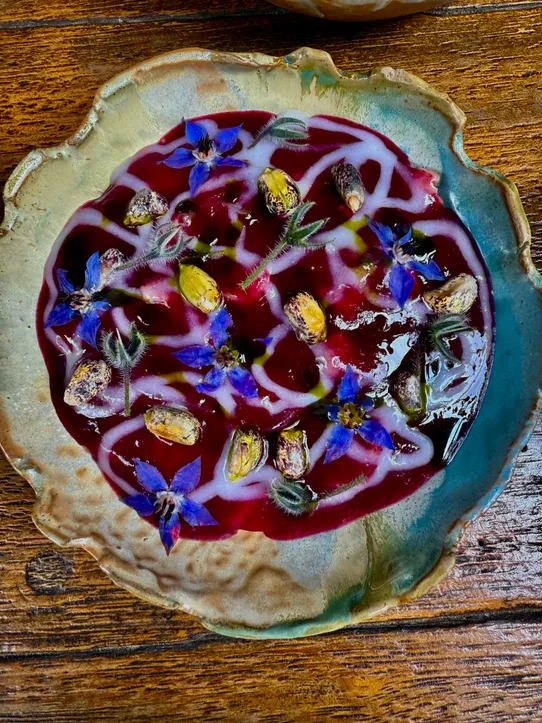
Our lunch included mushrooms with a creamy bean preparation, beautifully browned and finished with herbs and green oil. We also had duck with little golden spheres of corn. The duck was beautifully cooked, with a glossy, almost lacquered exterior, served alongside fresh greens. The photographs make the dishes look almost impossibly elaborate.
The food was definitely on the precious side, but it tasted good.
And perhaps that is what made it such an interesting contrast to Chuncho. At Chuncho, the food felt like it belonged to the town: rustic, generous and deeply rooted in everyday Andean cooking. At ALQA, those same Andean ingredients had been taken somewhere else entirely.
ALQA
Calle Sipas S/n, Ollantaytambo 08676, Peru