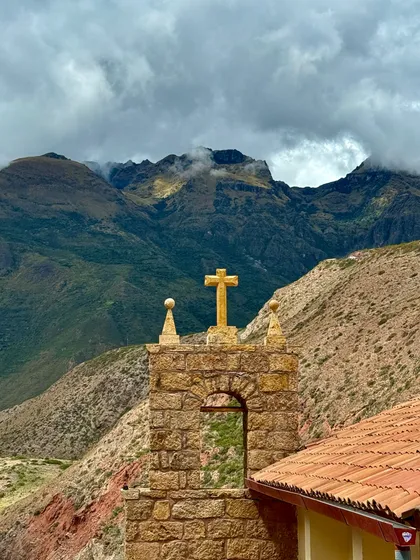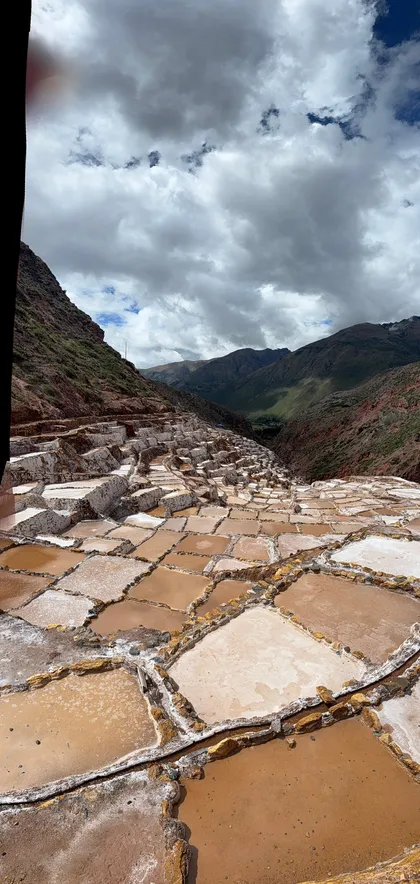
The Sacred Valley
The Sacred Valley, One Town at a Time- Peru
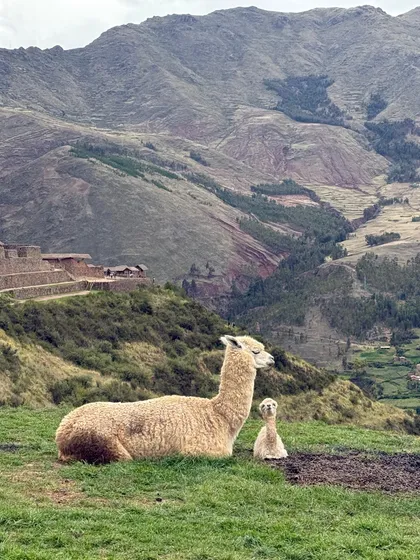
Why we decided not to rush through Peru's Sacred Valley
Most people come to the Sacred Valley on their way somewhere else. They are on their way to Machu Picchu. They stop for lunch, visit a market, see a few ruins, take a lot of photographs and climb back into a van and head back to Cusco.
We decided to stay.
Partly because the Sacred Valley is lower than Cusco, and we thought it would be a good place to begin our time in the Andes and give ourselves a little time to adjust to the altitude. But mostly because once I started looking at the valley, I realized I didn't want to see it through a car window.
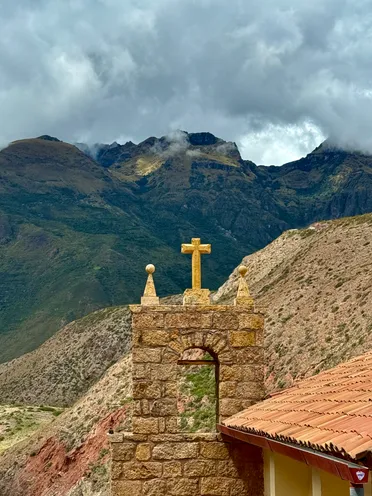
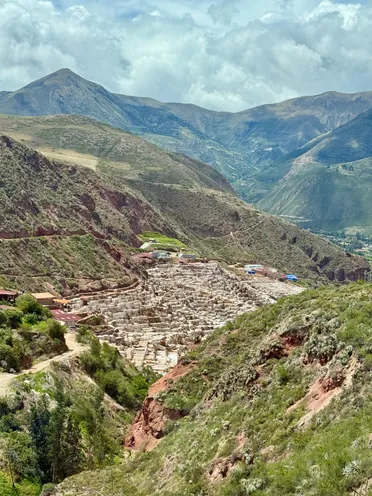
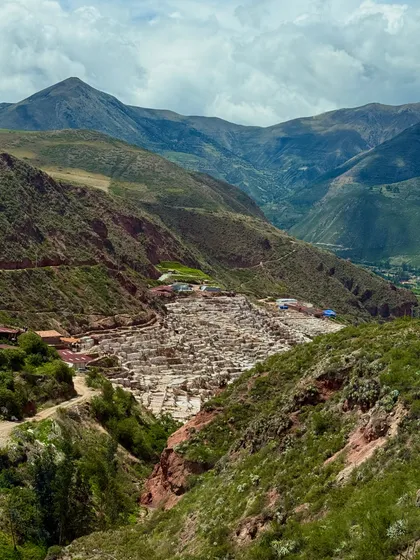
The Sacred Valley is not really one place. It is a string of small towns and villages scattered along the Urubamba River, each with its own personality. So rather than choosing one hotel and using it as a base for everything, we moved around.
It turned out to be one of the best decisions we made.
Urubamba: our first landing place
We ended up in Urubamba because we found a house.
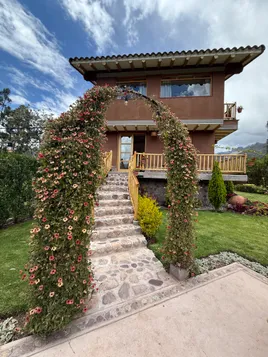
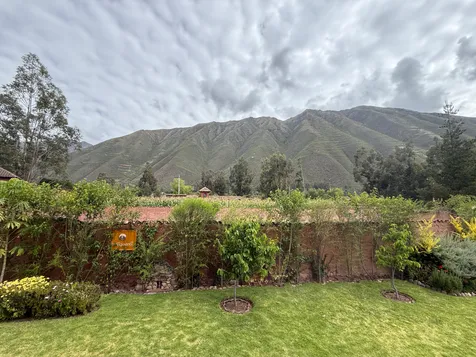
The house belongs to a man named Mykol, one of those rare Airbnb hosts who seems to have somehow achieved the almost impossible: a near-perfect rating not because his house is the fanciest place you could stay, but because he makes your visit better.
Mykol lives next door with his wife and daughter and has two rental houses on the property. The house we stayed in is simple and sits out in the countryside, but it is close enough to town that you can walk in about twenty minutes or hop in a tuk-tuk.
The best part of the rental is Mykol.
For a small additional fee, he can organize almost everything you might otherwise spend hours trying to figure out yourself: airport pickup, day trips, van hire from town to town, and most importantly, Machu Picchu.
That last part is not a small thing.
Working out which train to take, when to go, how to get your entrance tickets, how the different pieces fit together and how to get everyone there and back can become surprisingly complicated. Mykol takes it all on.
He can also prepare meals if you request them, and underneath the house is a small, intimate massage room. It isn't luxury in the conventional sense. It is something better for the first few days of a trip: personal, comfortable, and easy.
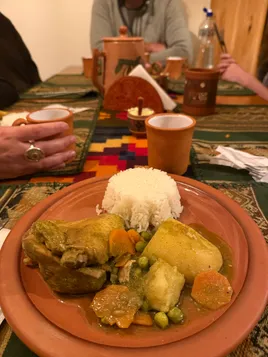
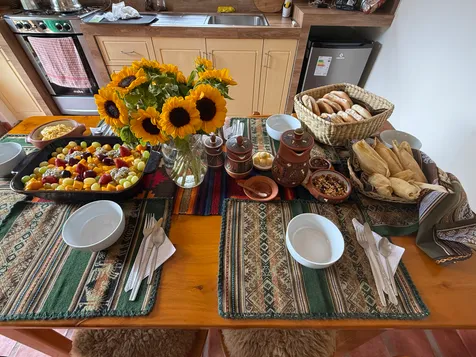
Urubamba itself wasn't my favorite of the Sacred Valley towns, but it was a perfect first base. It does have a wonderful food market and good restaurants.
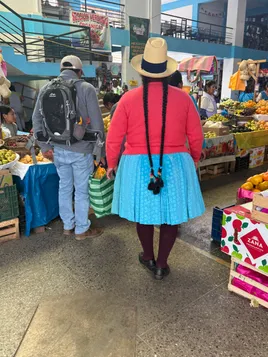
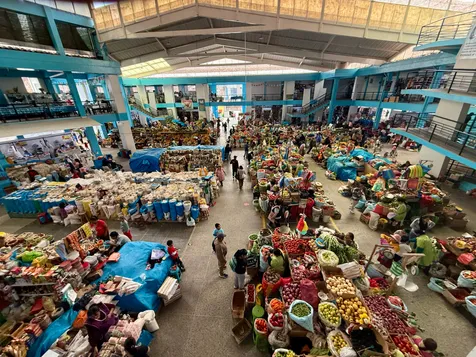
There is plenty to do nearby, the landscape is spectacular and, after the journey to Peru, it felt good to have somewhere peaceful to land.
Then we moved on.
Ollantaytambo: a town built into the past
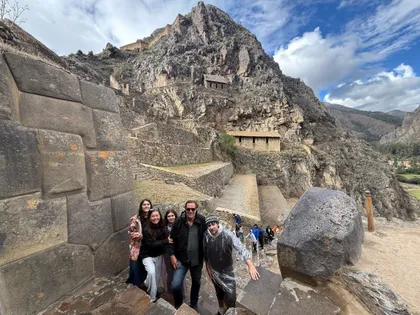
Ollantaytambo was the place we fell for.
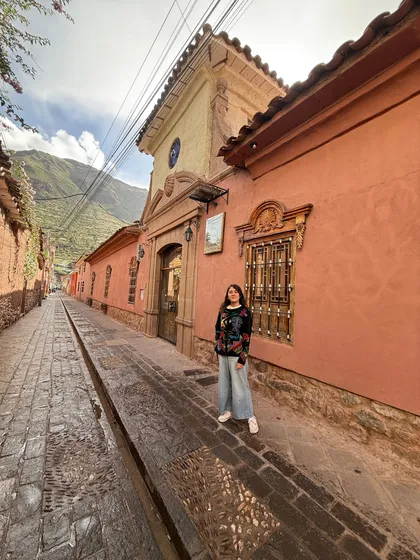
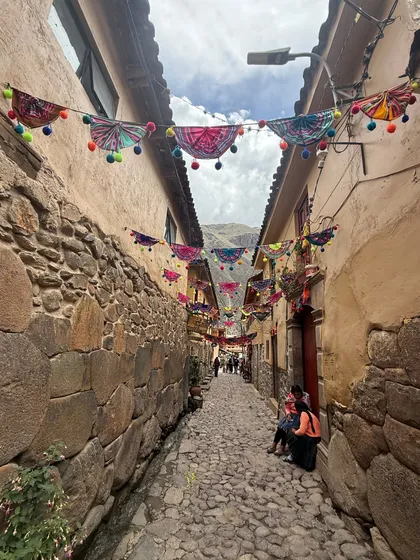
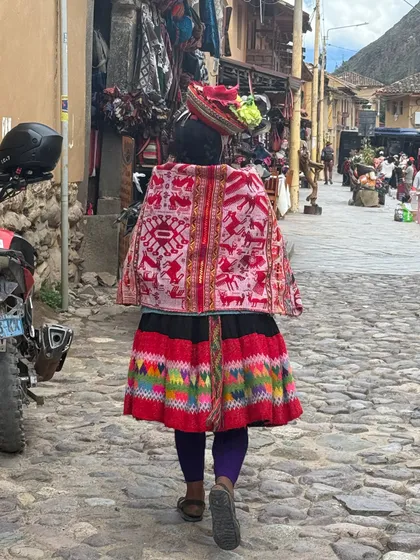
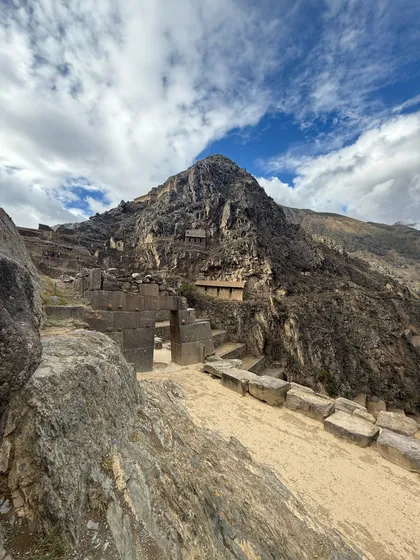
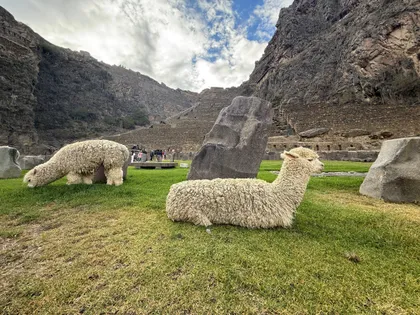
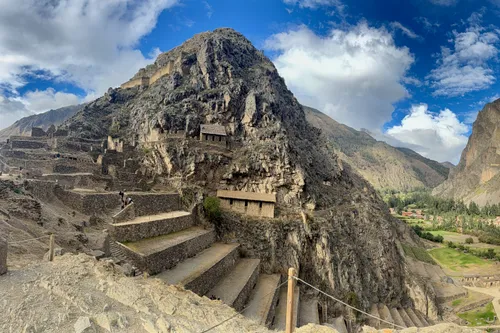
It is the sort of town where you can wander around without really needing an itinerary. Ancient water channels still run alongside the cobblestone streets. The buildings feel old because they are old, and the mountains rise immediately around you. Incredible ruins right at at your feet.
Ollantaytambo is also where you catch the train to Machu Picchu, so there is a constant flow of travelers passing through. During the day, it can feel busy.
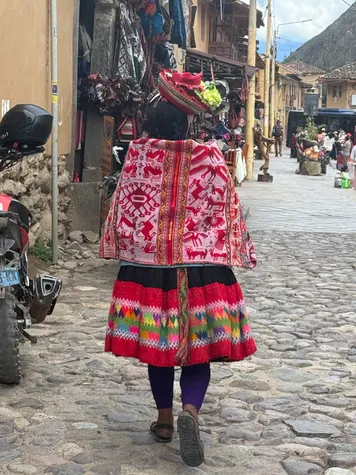
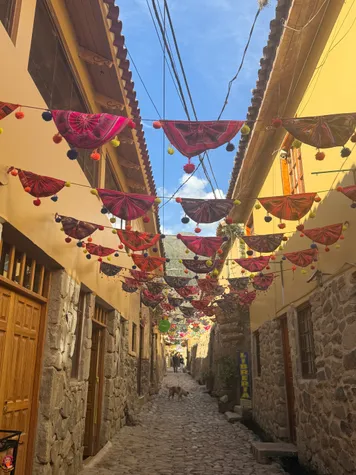
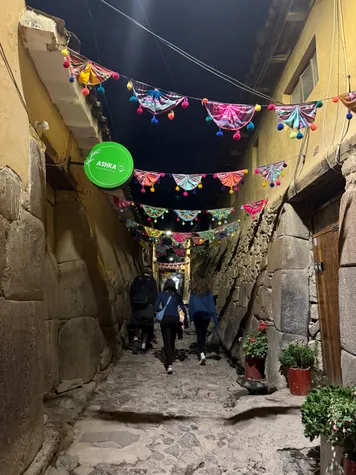
But stay the night. Once the day-trippers leave, the town changes.
The streets quiet down and the old stones, little waterways and mountains take over again. This was one of those places where I was very glad we hadn't simply stopped for an afternoon.
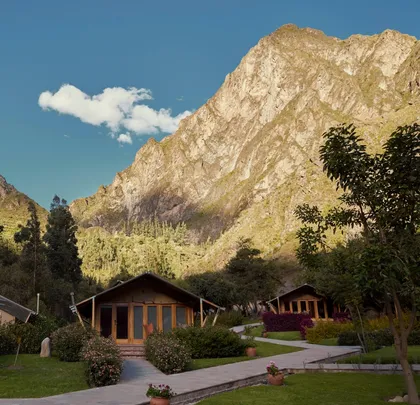
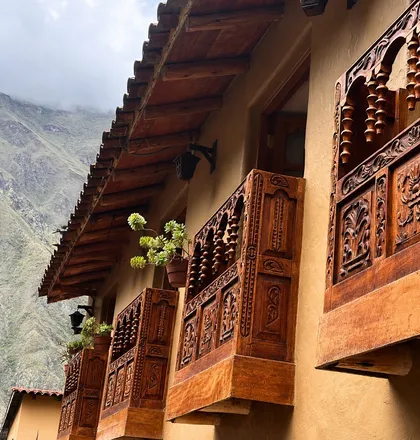
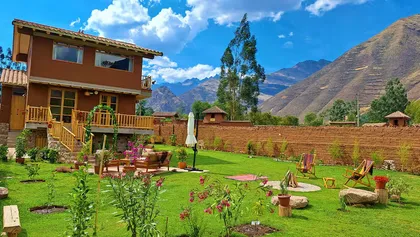
We stayed at Picaflor Tambo, a small guesthouse tucked beneath the mountain of Pinkuylluna. The property describes itself as a little guesthouse with views toward the ruins and the sound of Inca water channels below, which is exactly the feeling of the place.
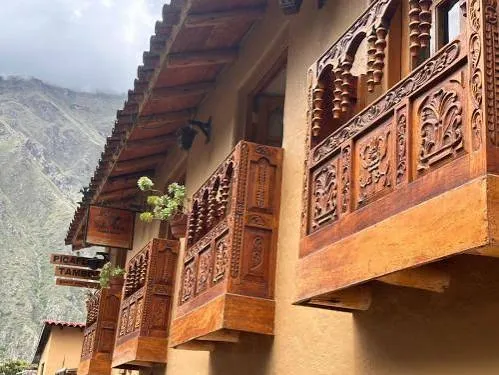
It was simple. In fact, it was the cheapest place we stayed on the entire trip.
And it was perfect.
We had the kids and friends with us, so we took four rooms and, for a little while, practically had the place to ourselves. In the morning, the small dining room became our own breakfast room.
It was also the perfect base for our Machu Picchu adventure.
But Machu Picchu deserves a story of its own.
A night under canvas
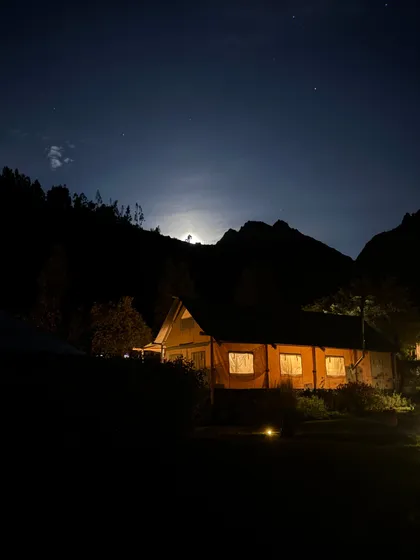
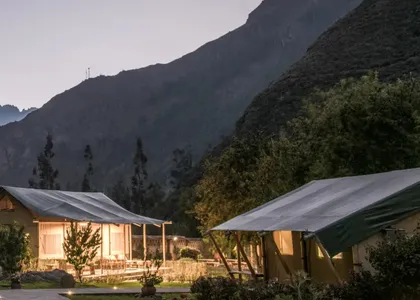
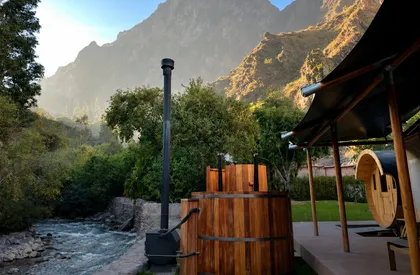
From Ollantaytambo we traded cobblestones for canvas and spent a night glamping at Las Qolqas.
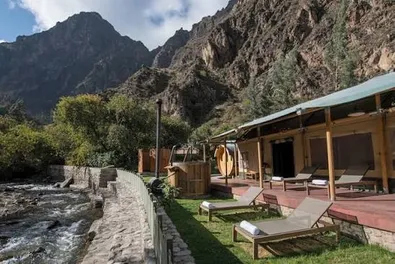
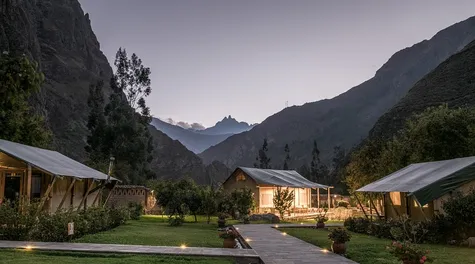
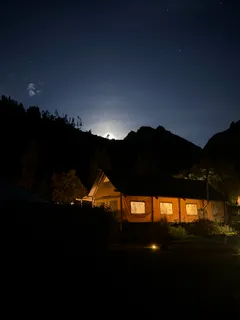
After several days of towns, ruins and travel, it was wonderful to feel as though we had disappeared into nature.
Las Qolqas is probably better suited to couples than a group traveling with children, and we knew that going in. So for one night we more or less ignored the children and treated ourselves.
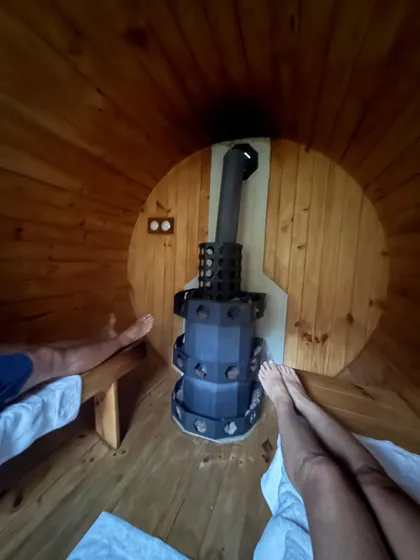
There was a riverside hot tub. There was a sauna. And the girls and I did yoga together in the glass dome.
It was one of those little travel moments that feels slightly removed from real life. Mountains around us, a tent instead of a hotel room, and nowhere we particularly needed to be. Tent might be an understatement, it was very elegant and comfortable.
The food was good, too, but what I remember most is the feeling of being outside and quiet.
After the intensity of Machu Picchu planning and the constant movement of a trip through Peru, it was exactly what we needed.
Pisac: a family home with a story
Our final stop in the Sacred Valley was Pisac.
Here we stayed at Florencio Casa Hacienda, an old family home that has been turned into a small hotel and is run by an elderly brother and sister.
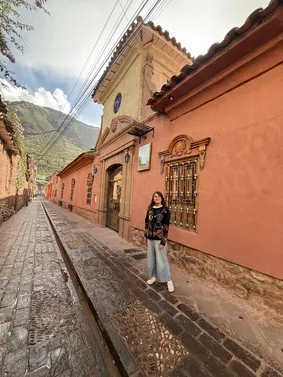
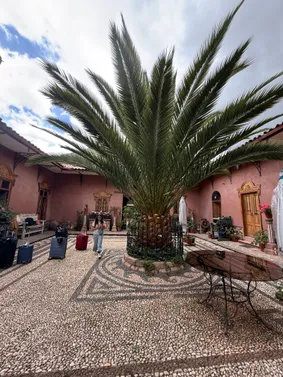
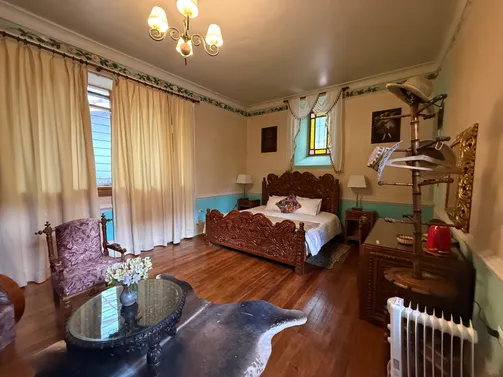
It felt different from everywhere else we'd stayed. Some of the rooms are simple and old-world, and Noah and I were lucky enough to stay in what had been the mama and papa's room. The kids had the simpler rooms.
It was not expensive, but it felt special.
Part of that was the house itself. Part of it was the feeling of being welcomed into someone's family history rather than simply checking into a hotel.
And the location couldn't have been better. The house is just a couple of blocks from the main square, so Pisac was right outside our door.
Pisac has a lovely, slightly bohemian feeling. There is the famous market to wander through, shops and little streets to explore, and the mountains are always there in the background.
But the most memorable part of our stay was just across the street. The garden across the road
The family history is tied closely to plants.
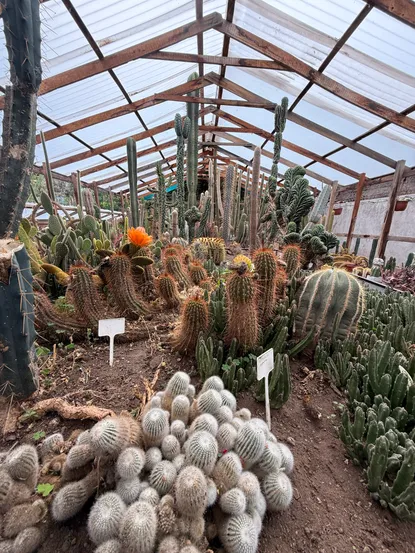
The Felipe Marín Moreno Botanical Garden sits directly across from Florencio Casa Hacienda. The garden is recognized as a botanical garden in Pisac and contains native, medicinal and ornamental plants, orchids and a wonderful collection of cacti.
The brother took us around himself, and you could see how proud he was.
This wasn't a polished tourist attraction where someone gives you a rehearsed fifteen-minute tour. It felt personal. He knew the plants. He knew the garden. And he wanted to show it to us.
At the end, he gave us a little cactus cutting to take home. That tiny cactus became one of my favorite souvenirs from Peru.
Each place gave us a different experience of the valley. And that is what I would recommend if you are planning a trip here: don't just pass through.
Give yourself time, if you have the time.
Stay in the little towns. Walk the cobblestone streets after the day-trippers have gone. Sleep somewhere personal rather than somewhere anonymous. Let a local person help you when the logistics become complicated. Sit in a garden. Take a tuk-tuk. Wake up somewhere different.
The Sacred Valley is stunning, obviously. The mountains are enormous, the ancient sites are extraordinary and the little towns are charming.
But there is something else here that is harder to put your finger on. Something quiet. Something spiritual. You feel it without necessarily being able to explain it.
We eventually left the valley for Cusco, which is a whole other story. Cusco is wonderful. But I'm glad we didn't start there.
Beginning in the Sacred Valley, moving slowly through these small towns and letting the altitude come gradually felt like the right introduction to Peru.
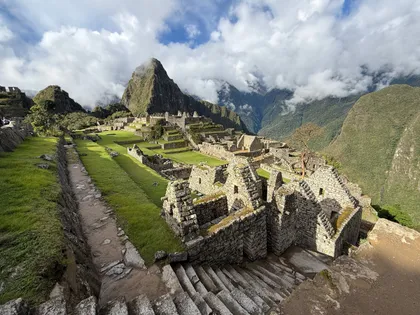
And then there was Machu Picchu.
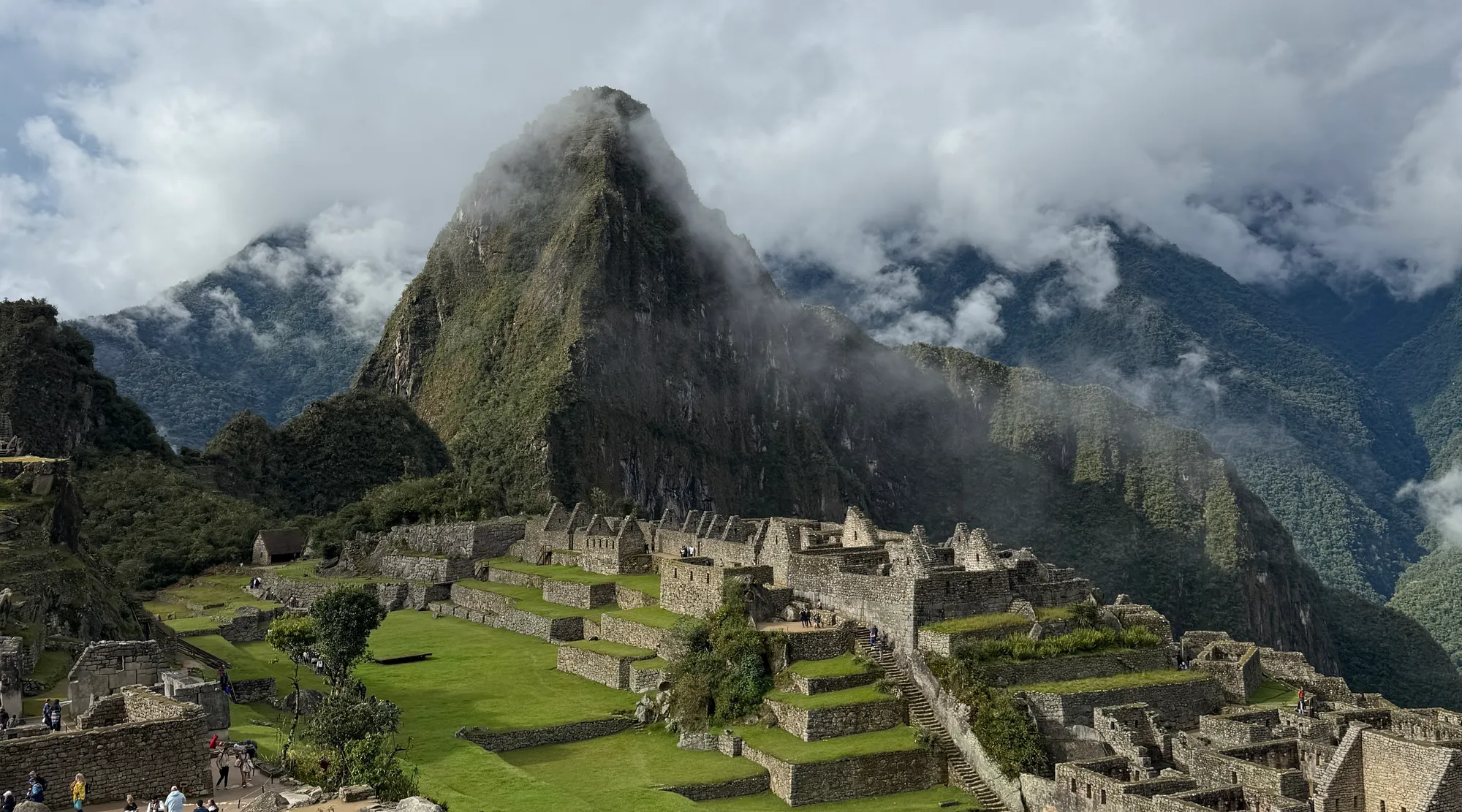
I had expected it to be impressive. Of course I had. It is one of the most famous places in the world. But even with all that expectation, it got me. There is something profound about being there. Something that goes deeper than the photographs and the hype.
I'll save that story for another day.
—-----------
Where We Stayed
Urubamba: Mykol’s Airbnb Our simple countryside rental, made special by Mykol, who can arrange airport transfers, day trips and all the complicated Machu Picchu logistics.
Ollantaytambo: Picaflor Tambo Simple, clean and incredibly well located. Our cheapest stay and a perfect base for Machu Picchu.
Glamping: Las Qolqas A beautiful night in a tent surrounded by nature, with a riverside hot tub, sauna and glass yoga dome.
Pisac: Florencio Casa Hacienda A charming old family home turned small hotel, just two blocks from the main square and directly across from the family’s botanical garden.
A Note on Altitude
We chose to visit the Sacred Valley before Cusco because it is at a lower altitude, giving us a few days to acclimatize. We also started altitude medication a couple of days before arriving.
We had no problems in the Sacred Valley, but once we reached Cusco several of us felt sluggish and headachy. Looking back, I wish we'd continued the medication.
We also bought a small portable oxygen canister at a large pharmacy when we first arrived. It was surprisingly useful for those moments when the altitude caught up with us. A few breaths gave us a little boost, although it is not a substitute for medical treatment if you develop serious altitude sickness.
A Note on Planning Machu Picchu
Plan early. Tickets to Machu Picchu can sell out months in advance, so I would recommend getting in touch with Mykol well before your trip. He can help coordinate the train, entrance tickets, transportation and timing, which can otherwise be surprisingly confusing.
And take him up on arranging a guide. Having someone knowledgeable walk you through Machu Picchu made a huge difference. There is so much history and meaning behind what you're seeing, and a good guide helps you understand what you're actually looking at rather than simply walking around taking photographs.
Dispatches
 Jan 2026
If you are going to Machu Picchu by train, don't just pass through Ollantaytambo on the way. Get off the train, stay a night or two and explore.
 Jan 2026
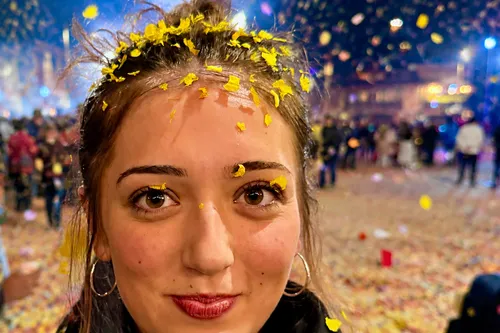
Markets fill with yellow underwear, yellow clothing and yellow decorations, all bought in the hope that the colour brings luck and abundance in the year ahead.
 Dec 2025
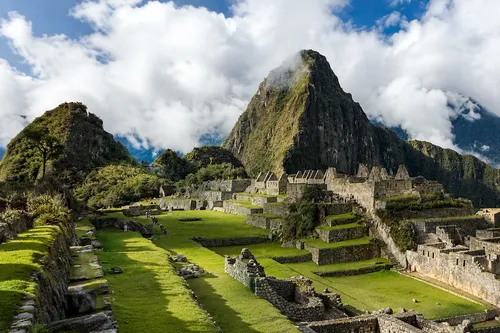
Machu Picchu really does live up to the hype. But there were quite a few things about getting there that I didn't fully understand until we did it ourselves.
Stills