Lunch Under the Hacienda Eaves: Villa Santa Mónica
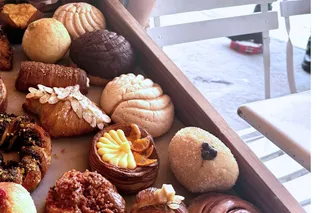
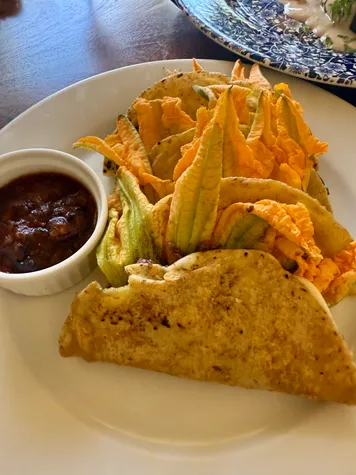
My favorite when they have it is the zucchini blossom taco. It is a thing of beauty just to look at.
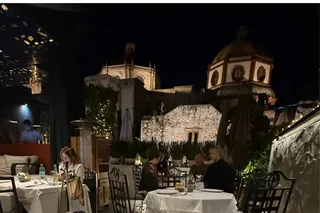
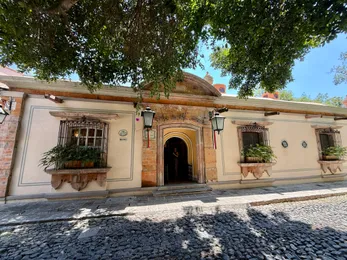
Villa Santa Mónica is one of those places I find myself wanting to return to. And I have multiple times. Tucked right beside Parque Juárez, it is particularly lovely on a weekend, when the park is buzzing with life just outside the gates.
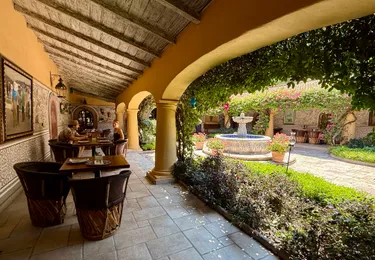
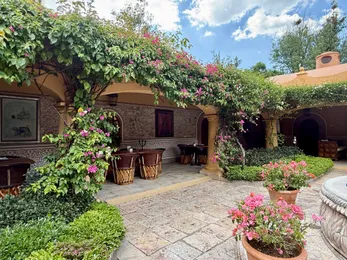
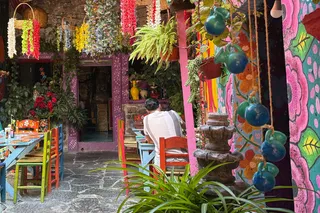
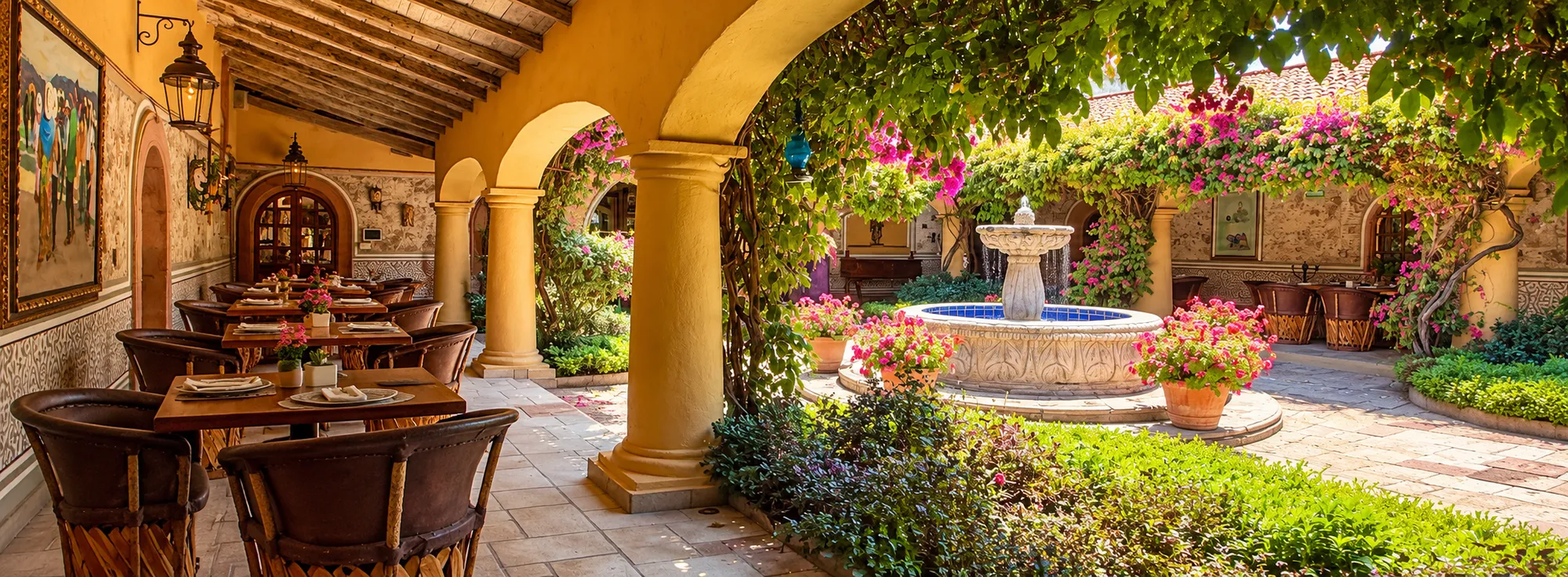
The restaurant is set in the beautiful hacienda courtyard, with bougainvillea spilling over the walls and very interesting paintings. It is peaceful and wonderfully old-fashioned. I always feel as if I am having lunch at someone's aunt's house.
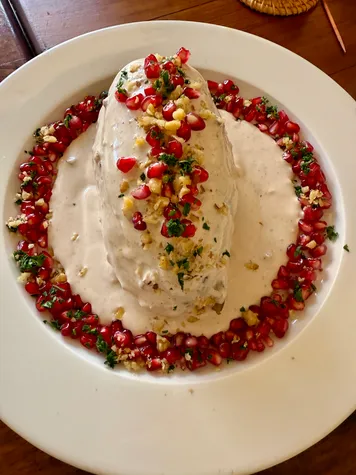
The food is classic Mexican cooking, done well. I am particularly fond of the chile en nogada, but my favorite when they have it is the zucchini blossom taco. It is a thing of beauty just to look at. I could happily go just for that.
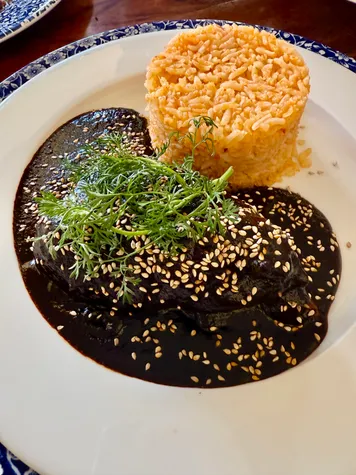
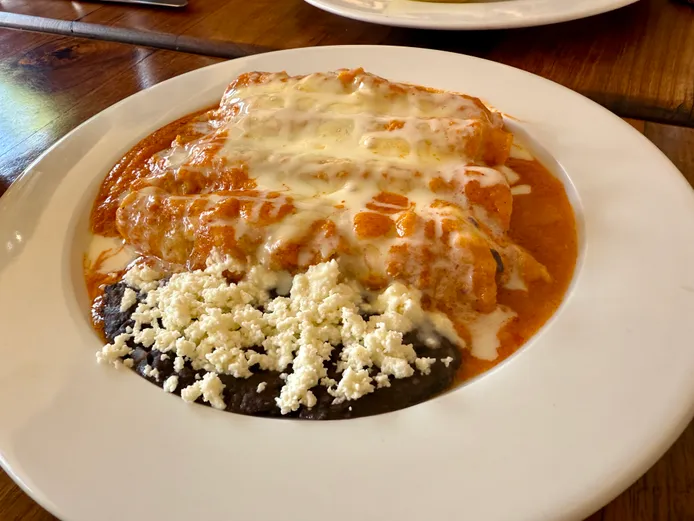
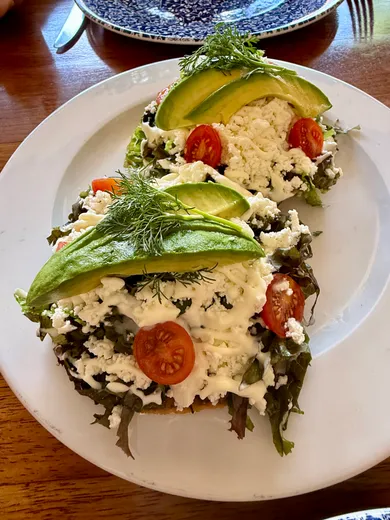
They also make a classic mole that is very rich and good. This isn't food trying to reinvent Mexican cuisine. It is traditional, familiar and well executed. The waiters are also very charming.
History of the villa
Villa Santa Mónica currently operates as an elegant 12-room hotel and restaurant, but the history of the house is interesting. The original estate dates to the 17th century, from San Miguel's silver-mining days, and after years of neglect, it was rescued in the 1930s by José Guadalupe Mojica, the famous Mexican tenor and film star.
Mojica bought the property with his mother in mind. He rebuilt the old estate as a beautiful home for her, creating the hacienda-style house and gardens we see today. The architecture was deliberately Spanish Colonial Revival, a romantic reimagining of the old haciendas rather than simply a restoration of what had been there before.
His mother lived here until her death in 1940, and Mojica filled the house with the people and things he loved. He entertained lavishly, bringing his friends from the worlds of opera, film and music to San Miguel. María Félix, Dolores del Río, Pedro Armendáriz, Agustín Lara, Jorge Negrete and John Wayne were among the famous names associated with the villa.
But Mojica's importance to San Miguel went well beyond entertaining celebrities. He wanted to see the town become an artistic community, and his friendship with Peruvian artist Felipe Cossío del Pomar and American artist Stirling Dickinson helped set that transformation in motion. Cossío del Pomar and his family even rented a small house on Mojica's property.
From that little circle came the art schools that helped bring artists and students from around the world to San Miguel. It is one of the reasons this quiet old colonial town became the international arts town we know today.
After Mojica's mother's death, the house eventually became a hotel, and today the 12-room Villa Santa Mónica still feels remarkably like a private hacienda. Which, I think, is exactly why lunch here is so lovely.
BRUNCH: 9:00 TO 14:00 (Sunday only)
LUNCH: 13:00 TO 17:00