A Blue Night in Coyoacán: Frida After Dark
Here was someone living with enormous physical pain, yet creating work that was so imaginative, colorful, symbolic and alive.
I'm not usually one to tell people which tourist sites they must see when they visit a city. I'd much rather tell you where to wander, where to have coffee, which market is worth getting lost in, where to find the best pastry, or which neighborhood is particularly good for spending an afternoon with nowhere to be.
But there are a few exceptions in Mexico City.
If you're a Frida Kahlo lover, Casa Azul, the Blue House, is one of them.
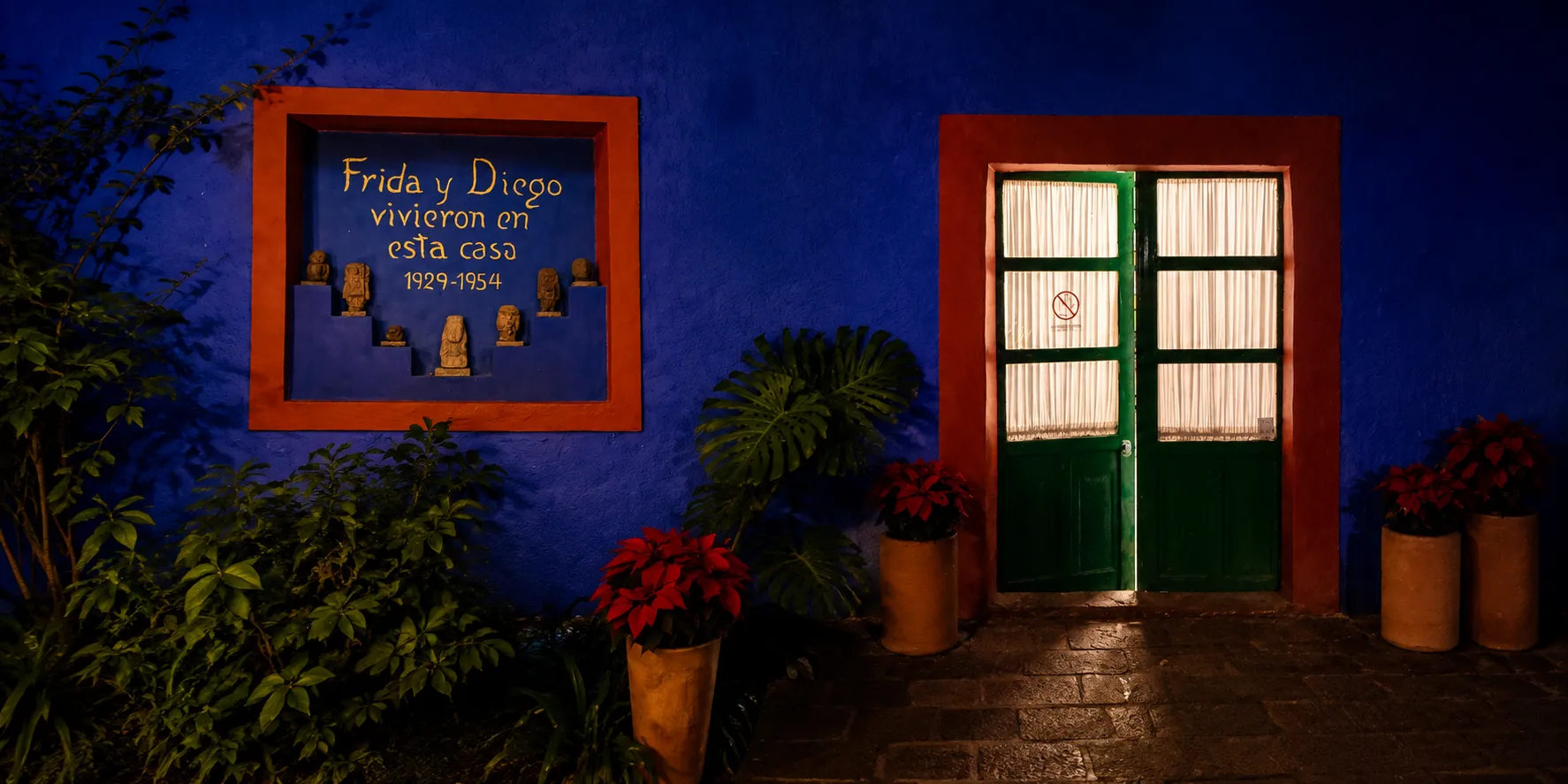
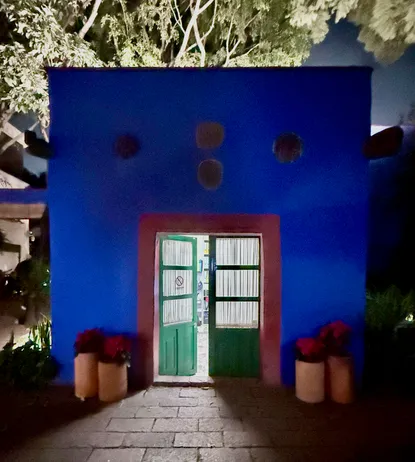
We visited at night, which I would highly recommend. The museum has evening openings on Thursdays, and seeing the house after dark gives it an entirely different atmosphere. The blue walls, the garden, the shadows and the intimate rooms make it feel much less like a museum and much more like entering someone's private world.
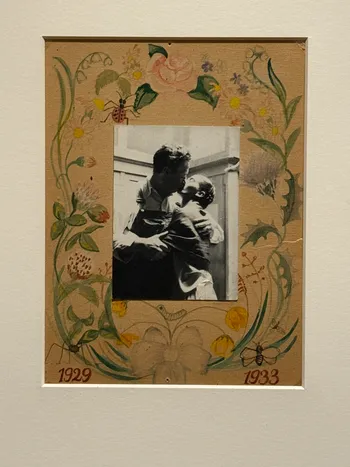
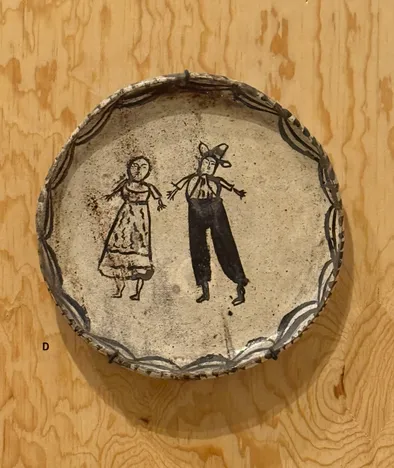
What I loved most were the ordinary things. The objects of everyday life, carefully chosen and arranged by someone with an extraordinary eye for color, shape and style. Items that showed her connection with Diego and their domestic life.
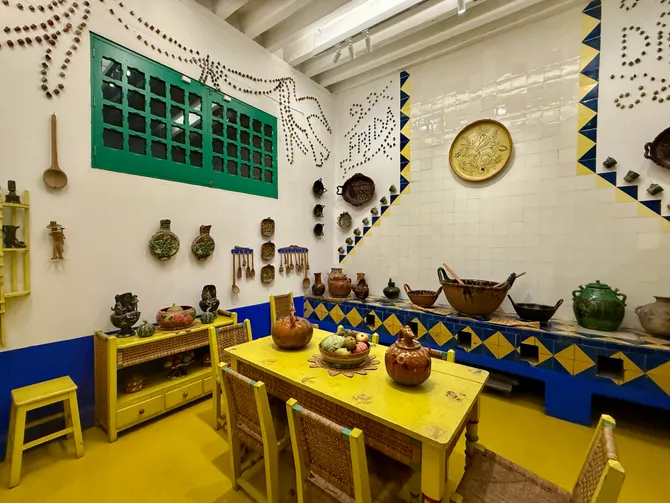
Her kitchen, in particular, caught my attention. The painted tiles, the traditional Mexican pottery, the copper pots and pans, the blue-and-yellow details. It doesn't feel like a kitchen that has been reconstructed for a museum. It feels like a kitchen where thousands of wonderful meals were made.
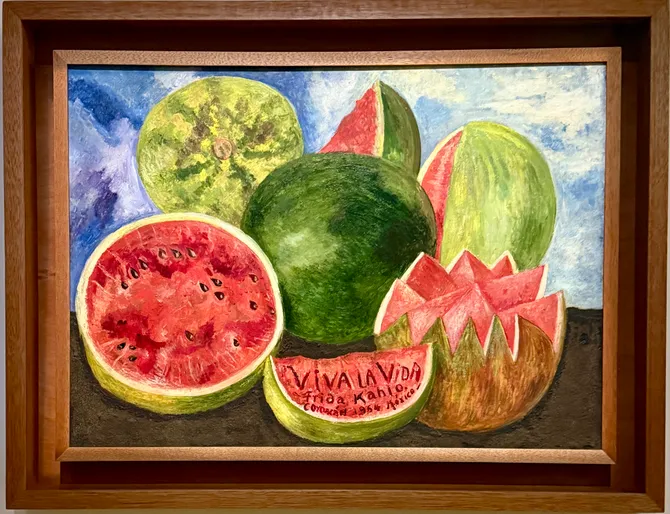
There are several important Frida paintings in the museum, but one I particularly loved seeing was Viva la Vida, her famous still life of sliced watermelons. Painted in 1954, just days before her death, the bright red flesh and green rind are almost startlingly joyful. She painted the words Viva la Vida — “Long Live Life” — across one of the watermelons. Knowing how much pain she was living with at the time makes the painting radiant with personal defiance.
And then there are the clothes and her under garments. Don't miss them.
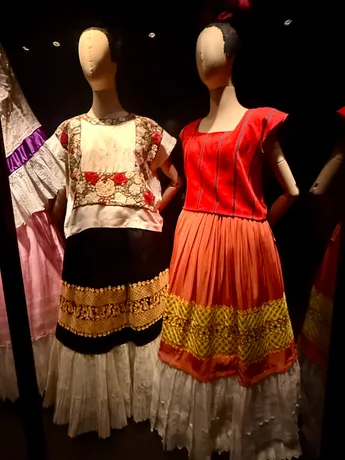
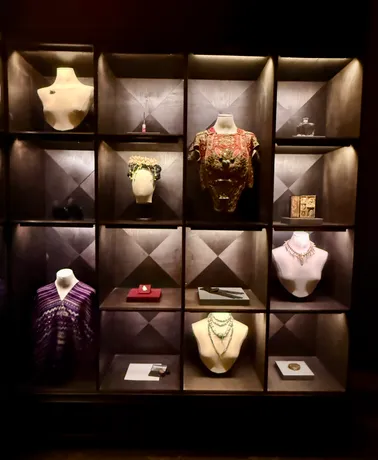
Frida's extraordinary wardrobe is displayed in a separate building, and it gives you a completely different understanding of the woman behind the paintings. The Tehuana dresses, rebozos, shoes, jewelry and elaborate headpieces show just how consciously Frida created her own image.
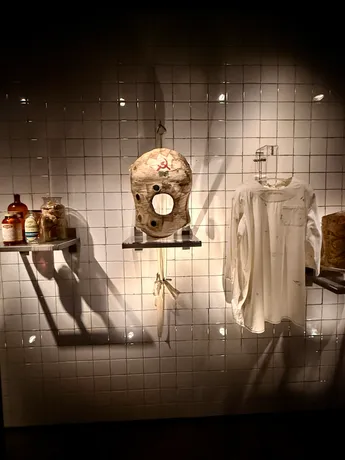
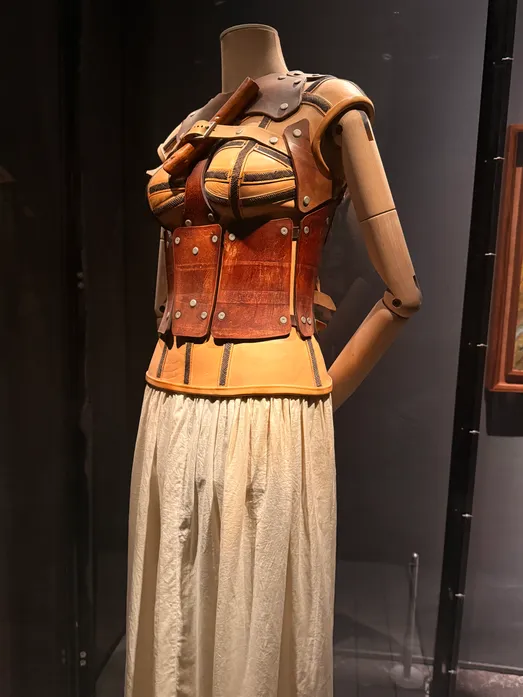
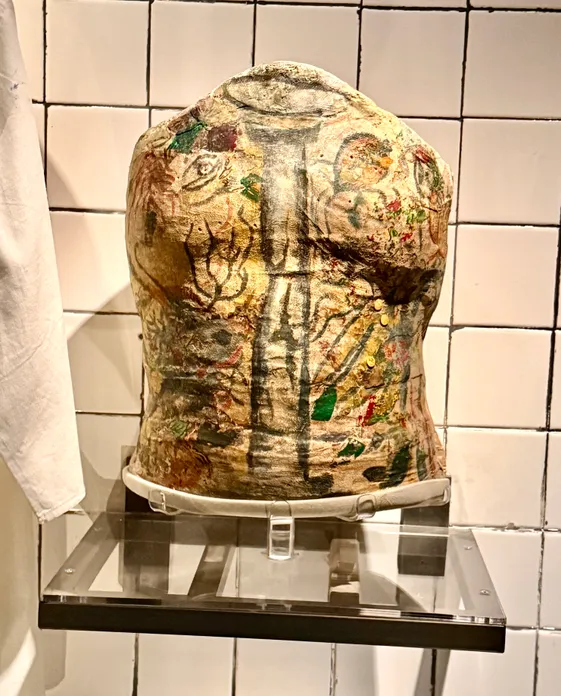
But what really stopped me were the things beneath the clothes: the orthopedic corsets and body casts she had to wear to support her damaged spine, some of which she painted. There are also her crutches and prosthetic leg. Suddenly the beautiful dresses and elaborate headpieces take on another meaning. They weren't simply about fashion. They were part of how Frida lived with, expressed and sometimes concealed her changing body.
Her clothes had an architecture to them. The layers, the shapes, the enormous skirts, the embroidered blouses and elaborate headpieces created a very particular silhouette. They tell a story about Frida, her relationship with her body, her politics and her connection to Mexico. She understood the power of clothing to transform the way a person is seen, and she used it deliberately.
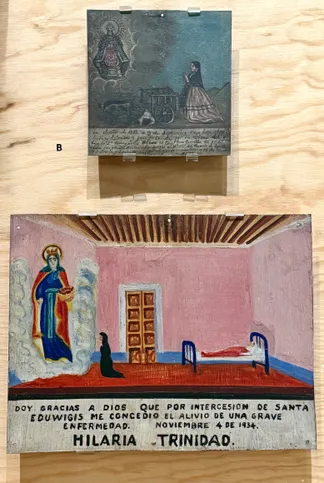
I also loved seeing Frida's collection of ex-votos, the small Mexican devotional paintings on tin that tell very specific stories of accidents, illness, miracles and gratitude.
I have a soft spot for these because we travel with one ourselves. I bought ours for Noah in San Miguel de Allende as an anniversary present. It depicts San Pascual Bailón, the patron saint of cooks and kitchens, and tells the story of a man who was saved from being burned while working in the kitchen of Don Porfirio Díaz in Mexico City in 1902. It has traveled with us ever since.
Whenever we arrive somewhere new, I find a little place for San Pascual in the kitchen. He has become part of our own story, quietly watching over us from one kitchen to the next.
What I love about these old paintings is their sense of gratitude. They aren't really about asking for something you want. They are about giving thanks for something that has already happened, often for having survived an accident or illness, or simply for having been spared. A little thank-you to a saint.
And seeing Frida's collection made me understand why they might have appealed to her so much. They are small, humble things, but each one holds a very particular human story.
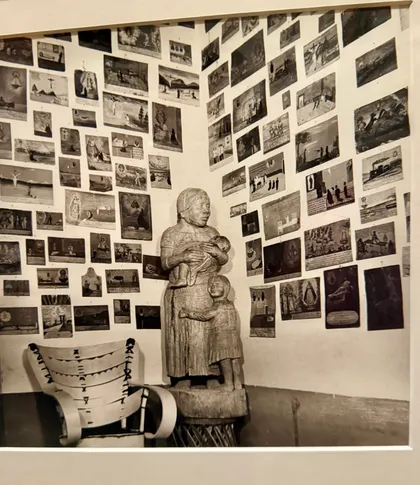
I loved that. It seemed to fit with so much of what I noticed at Casa Azul: this appreciation for ordinary things, for beauty in the everyday, for objects that had a story and a life of their own.
And then there is the garden.
During the day, I'm sure it is beautiful. At night, it becomes something else entirely. The plants seem to close in around the blue walls, the paths become shadowy and the whole place feels remarkably intimate.
Almost as if you might hear a whisper from the past, or the sound of Frida and her sisters playing somewhere in the garden.
Perhaps that's what stayed with me most. Casa Azul isn't simply a place where you go to look at Frida's work. The house, the garden, the kitchen, the objects, the clothes and that extraordinary blue all tell you something about the world Frida created around herself.
It's lovely to spend a couple of hours walking back into her past.
Casa Azul
Casa Azul, or the Blue House, is the former home of Mexican artist Frida Kahlo in Coyoacán, Mexico City. Frida was born here in 1907 and lived at Casa Azul for 36 of her 47 years, including the final years of her life. She died here in 1954.
After her death, Diego Rivera donated the house and its contents so it could become a museum. The Museo Frida Kahlo opened in 1958, and much of the house remains as it was when Frida lived there.
You can view her bedroom, studio, kitchen, garden, personal belongings, paintings, photographs, books and furniture, giving you a remarkably intimate look at the world she lived in.
Before You Go
Book your tickets well ahead ( I wish I could bold this even bigger- tickets sell out weeks in advance). There are no ticket sales at the museum entrance; tickets are sold online only, and popular times can fill quickly.
Buy official Casa Azul tickets here
Address: Londres 247, Colonia Del Carmen, Coyoacán, CDMX 04100, Mexico
Hours Tuesday: 10am–6pm
Wednesday: 11am–6pm
Thursday–Sunday: 10am–6pm
Thursday - Noche Azul runs 5:15pm–9pm, subject to availability.
Audio guide: Get the audio guide. I found it very helpful. There is so much history and so many personal details in the house that having someone explain what you're looking at adds considerably to the experience. I wouldn't skip it.
And don't miss Frida's clothes, which are displayed in a separate building on the property.
Final tip: don't rush away after or after Casa Azul. Coyoacán is one of those neighborhoods where I would happily spend an afternoon wandering, stopping for coffee, looking around the markets and seeing where the day or night takes you.
About Frida Kahlo
Frida Kahlo (1907–1954) was one of Mexico's most celebrated artists, known for her intensely personal self-portraits and paintings exploring identity, the body, pain, love, death and Mexican culture.
Her life was marked by extraordinary physical suffering. She had polio as a child, and at 18 she was involved in a terrible bus accident that left her with multiple fractures and severe spinal injuries. She spent long periods confined to bed and underwent numerous operations throughout her life.
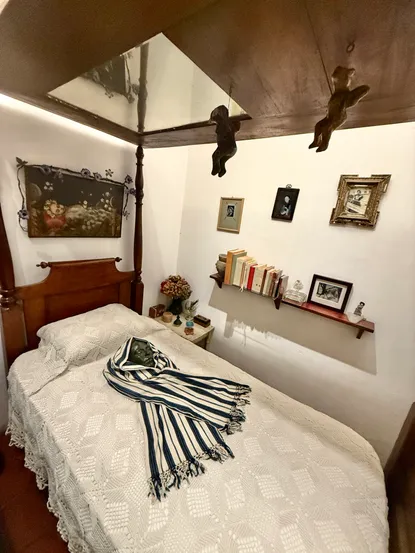
At Casa Azul, you can see the bed where she painted while lying down, along with the wheelchair she used later in life. Knowing that makes the paintings all the more astonishing. Here was someone living with enormous physical pain, yet creating work that was so imaginative, colorful, symbolic and alive.
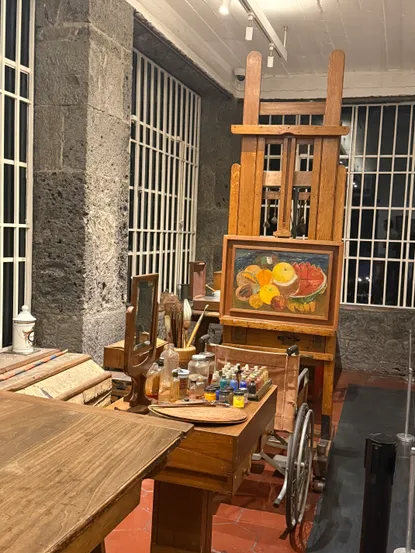
Her mother had a mirror placed above her bed, allowing Frida to paint herself while she was unable to get up. The self-portrait became one of the defining forms of her art. But I don't think her paintings are simply records of suffering. There is something remarkable about the way she seemed to transform her pain into something else. She took her body, her injuries, her relationships, her fears and her experiences and turned them into art.
Her work is also deeply rooted in Mexico. She drew on Mexican folk art, indigenous traditions, religious imagery, animals, plants and symbolism, while exploring intensely personal subjects such as fertility, miscarriage, sexuality, identity and death.
Frida was also politically committed. She joined the Mexican Communist Party and was part of the political and artistic world that surrounded Diego Rivera. Her politics found their way into her paintings as well, particularly toward the end of her life.
At Casa Azul, you can see the bed where she painted while lying down and the wheelchair she used later in life. To stand there and then look at the paintings is extraordinary. So much of her work was created from within a body in terrible pain, yet what emerged was so much more. It is color, beauty, imagination, politics, love, Mexico, life. She somehow transmuted her pain into art touches people on a deeply personal level.