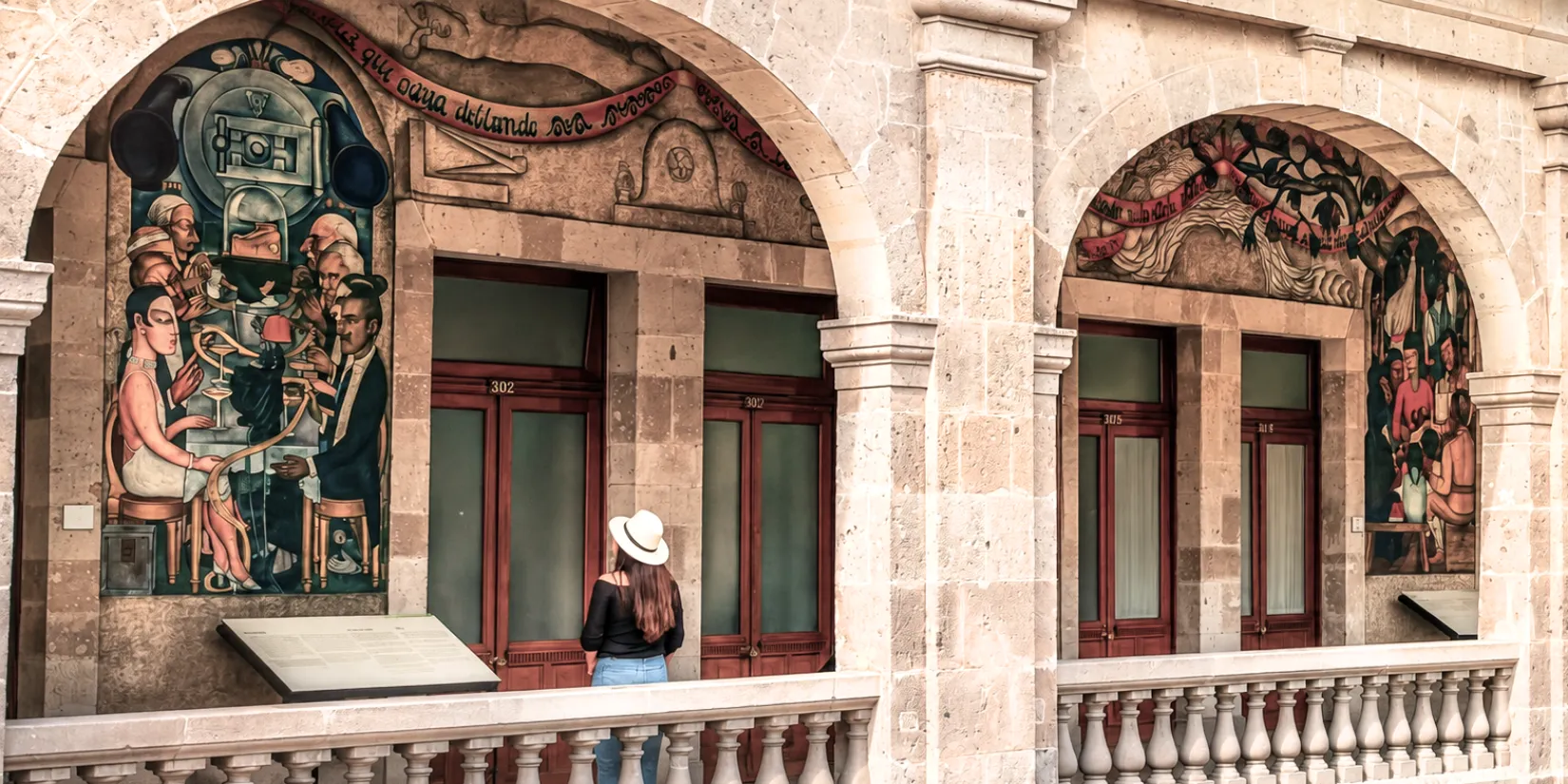
Diego Rivera Murals Worth Finding: A Remarkable Stop in Centro Histórico
Diego spent five years painting them, from 1923 to 1928. Five years of his life, covering the walls of this one building with an entire vision of Mexico.
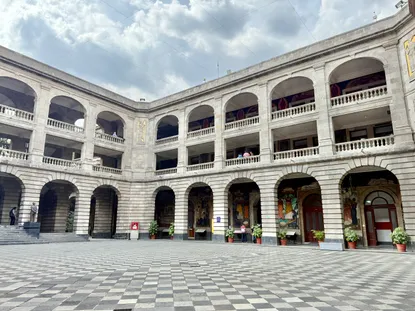
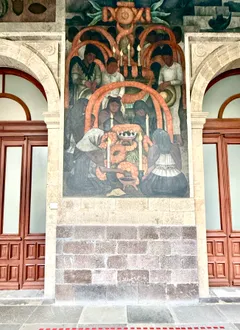
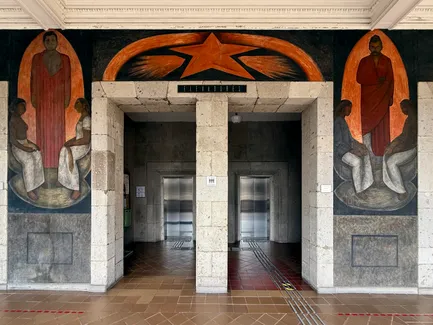
I popped into the Secretaría de Educación Pública to see the Diego Rivera murals. I expected a handful. Instead, there were hundreds. A whole world through Diego's eyes.
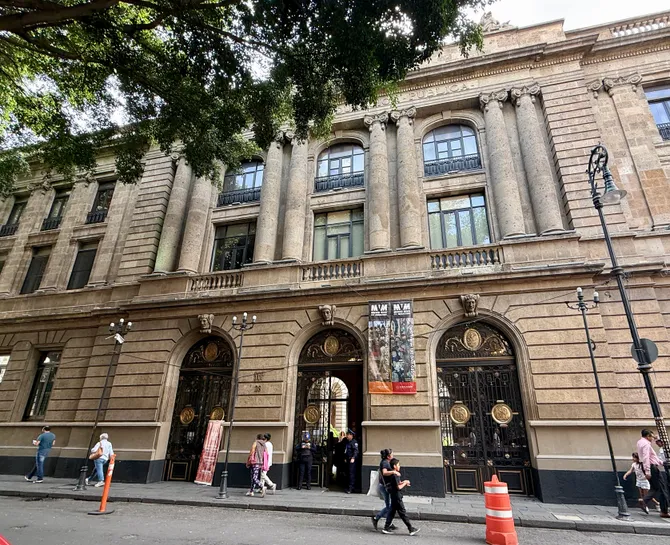
I wasn't expecting to be so moved by them.
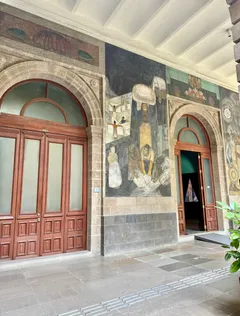
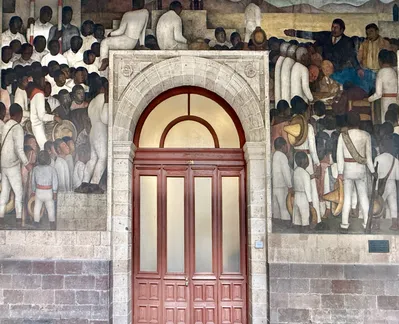
It wasn't just the scale, or the extraordinary color, or the fact that you keep turning a corner and finding another scene unfolding across the walls. It was the people.
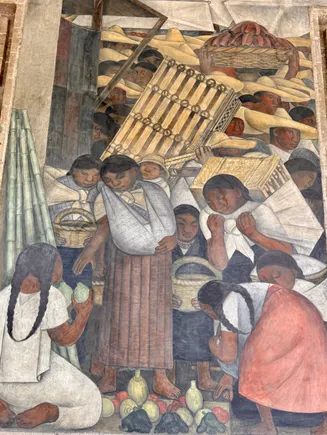
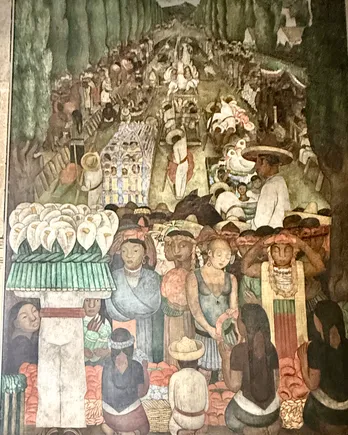
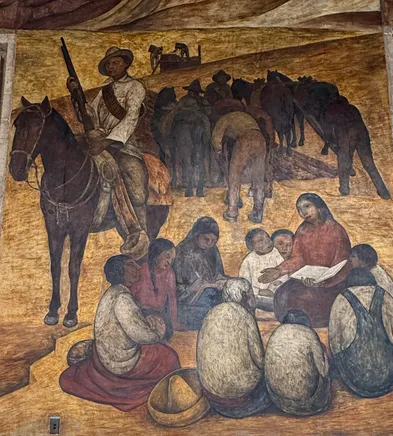
Rivera makes you look at them differently. The workers, the farmers, the women, the children, the people carrying, making, fighting, celebrating, enduring. There is hardship everywhere, but there is also extraordinary beauty. You feel, quite simply, that he loved these people. And as hard as some of their lives are depicted, there is transcendence.
I know these are political paintings. Of course they are. Rivera was making a political argument about Mexico, about class, about revolution, about who should be seen and whose lives should count. I don't want to diminish that by pretending the politics aren't there.
But standing in those courtyards, I found myself responding to something beyond politics.
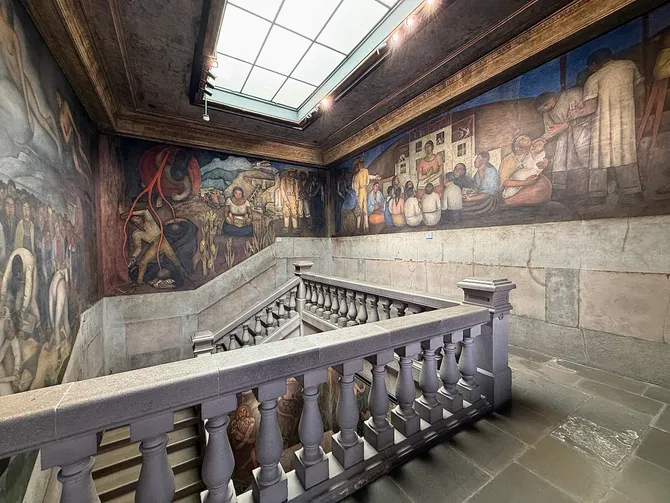
The sheer humanity of it. I found myself thinking about what it means to believe in something larger than yourself, and to be willing to give so much of yourself to that belief.
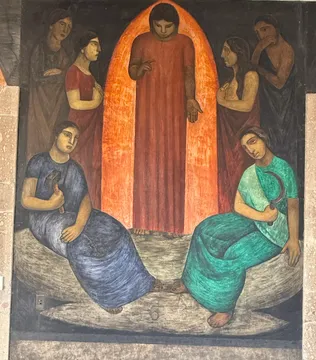
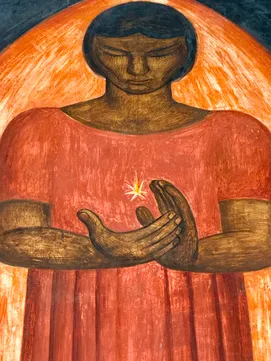
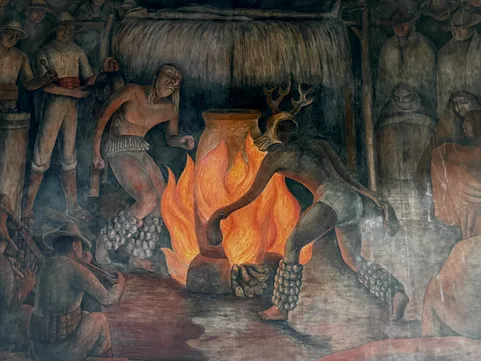
Diego spent five years painting them, from 1923 to 1928. Five years of his life, covering the walls of this one building with an entire vision of Mexico.
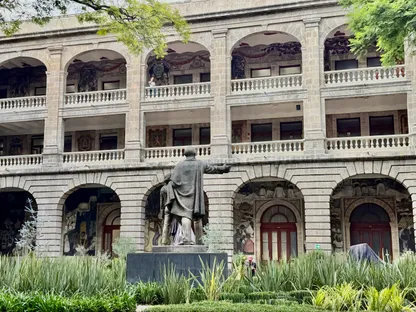
There are 235 individual panels, spread across three floors and two enormous courtyards.
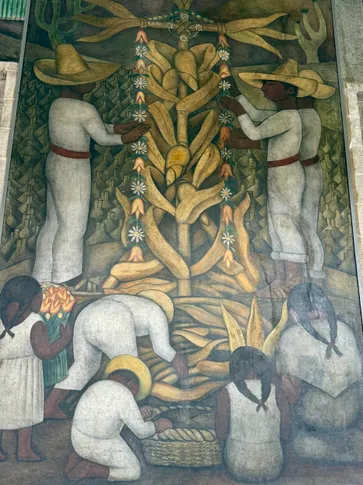
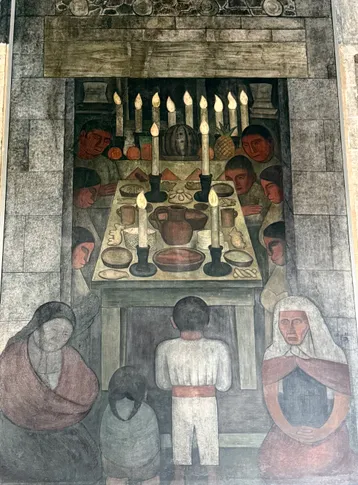
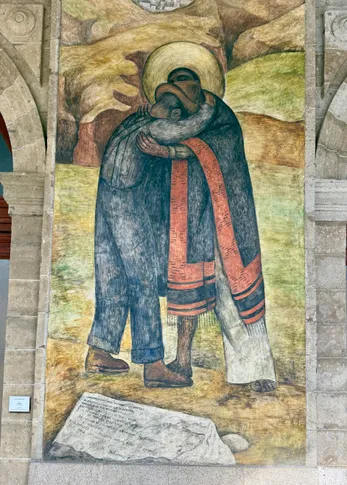
Whatever your politics, make time to see these paintings. They are triumphant. The color, the sensitivity, the sheer scale.
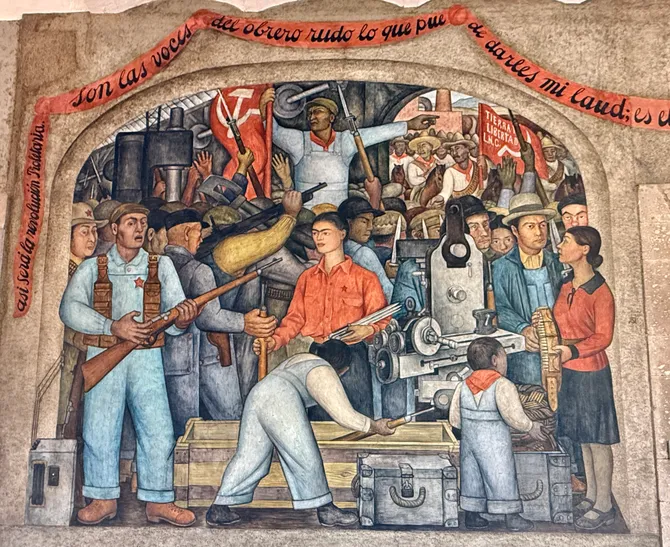
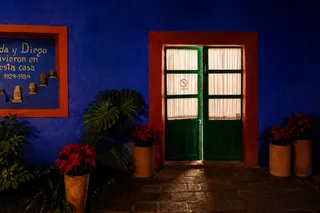
The paintings are also a fascinating foil to Frida Kahlo and her work.
Not to simplify them too greatly, but while Diego looked outward, telling the story of the Mexican people, Frida looked inward, telling the truth of her own pain. Two very different ways of confronting suffering. Both found a way to transform it: to take what hurts and make from it art, beauty and something that can outgrow the pain itself.
—-
Diego Rivera Murals at the Secretaría de Educación Pública
Museo Vivo del Muralismo
República de Argentina 28, Centro Histórico, Mexico City
Free admission. Wednesday–Monday, 10:00–17:30 (double check times on website before going)
235 mural panels, covering roughly 1,585 square metres, across two courtyards and three levels.
Rivera painted the murals between 1923 and 1928, at the invitation of José Vasconcelos, Mexico's first Secretary of Public Education. Vasconcelos wanted the new SEP building to embody Mexican culture and make its educational and cultural mission visible on its walls. Rivera's murals depict Mexican life, work, celebrations, history and struggle, including both celebrated figures and ordinary people.
“I wanted my paintings to reflect the social life of Mexico as I saw it, and through my vision of the truth to show the masses the outline of the future.”- Deigo Riviero (on these murals)
And this is just the beginning. Centro Histórico is full of murals by Rivera and the other great Mexican muralists. Here's a map to find them