Roma Norte and Condesa: Snapshots from a Leafy CDMX
The best part of Condesa and Roma Norte is the pleasure of walking.
If you have never been to Mexico City, I wonder what you imagine.
I imagined something quite different from what I found. A giant, smog-filled, hot and steamy city. Grey, overwhelmingly urban, gritty. The kind of place where you kept a close eye on your handbag and dont walk down the street alone as a woman in the evenings.
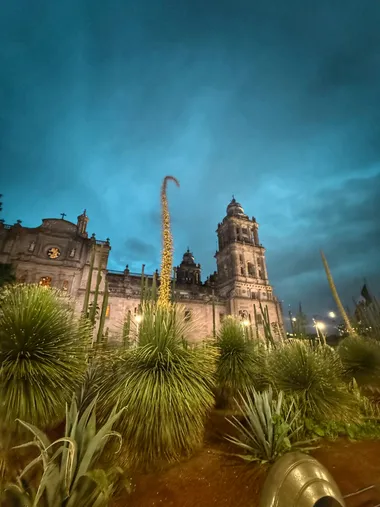
Instead, I discovered a city filled with parks, trees, beautiful architecture and some extraordinarily lovely neighborhoods.
Of course, Mexico City is enormous, with more than nine million people in the city itself and more than 22 million across the metropolitan area. And like any large city, there are neighborhoods you may want to avoid and others where you take the usual precautions. But in the Mexico City I know best, particularly Roma Norte and Condesa, I feel safe and happy.
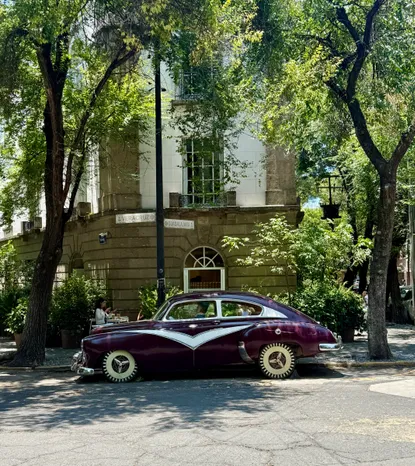
The word that always comes to mind is leafy. It is astonishingly green.
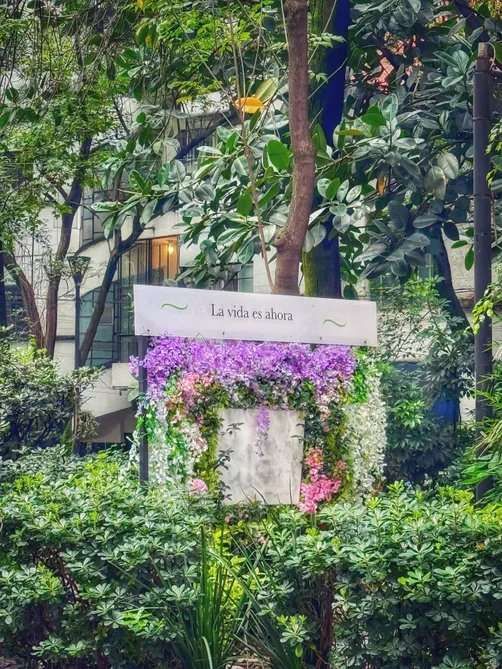
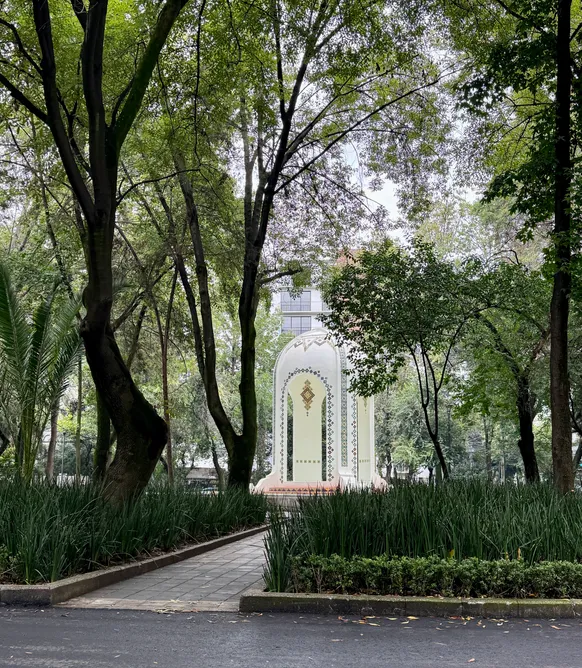
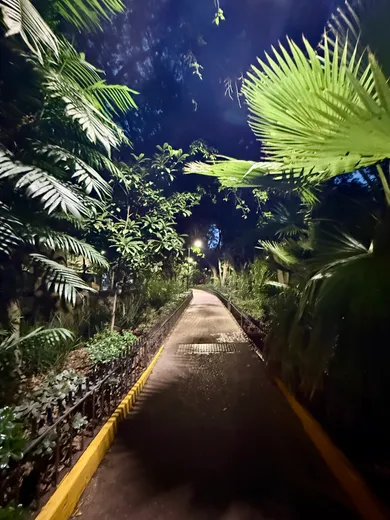
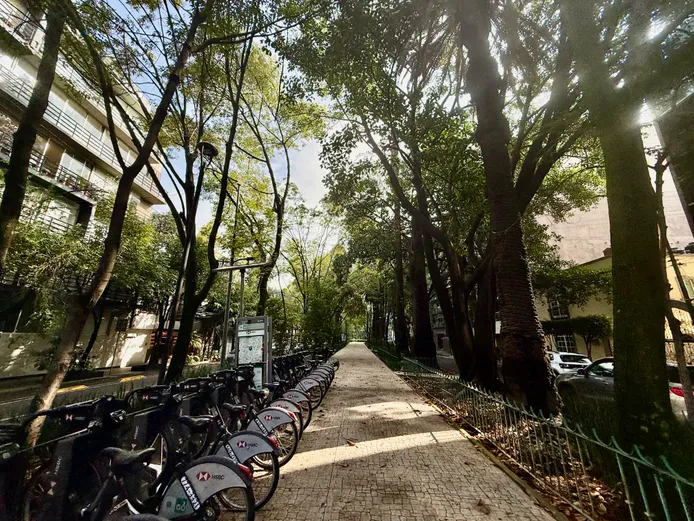
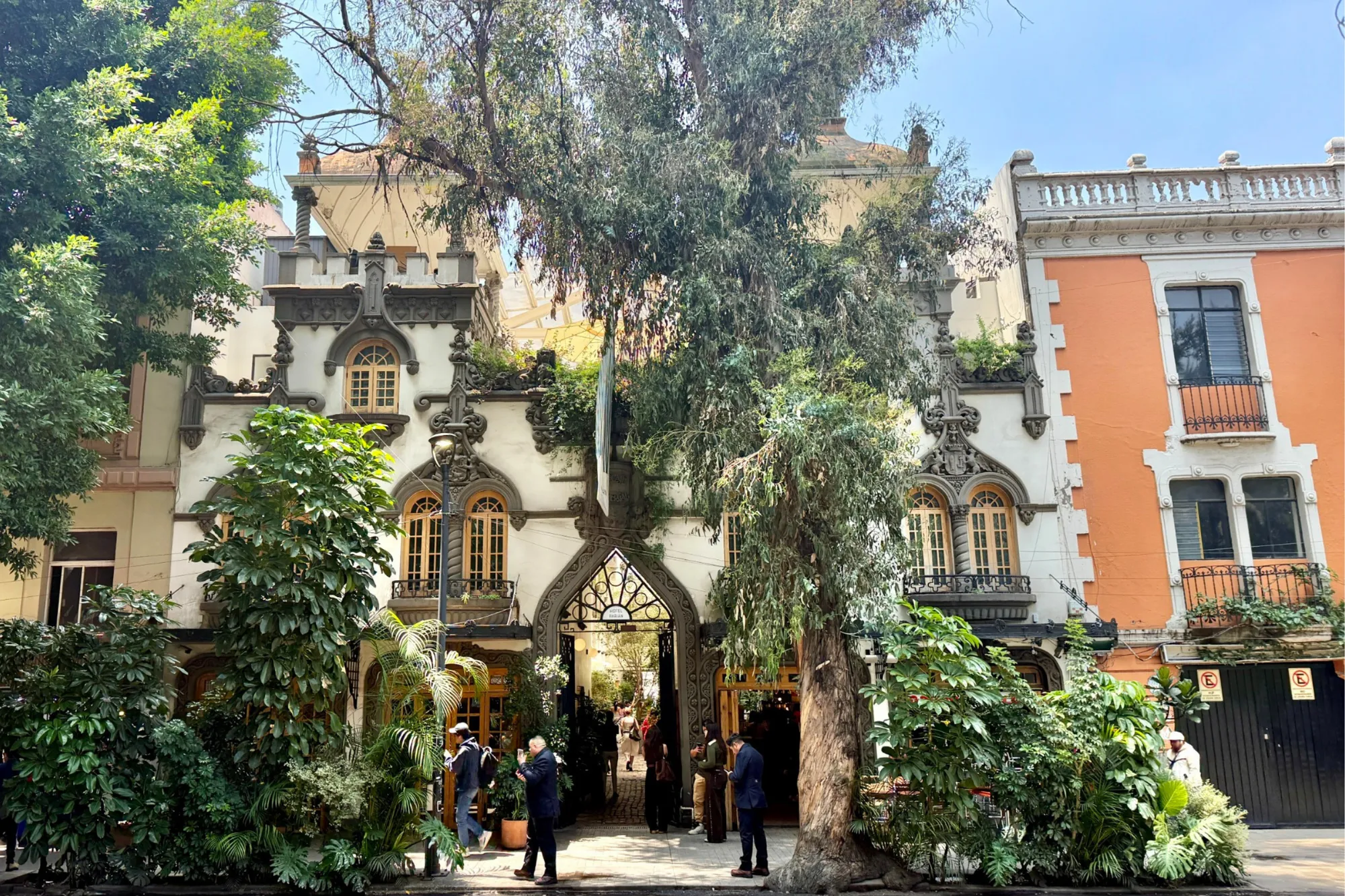
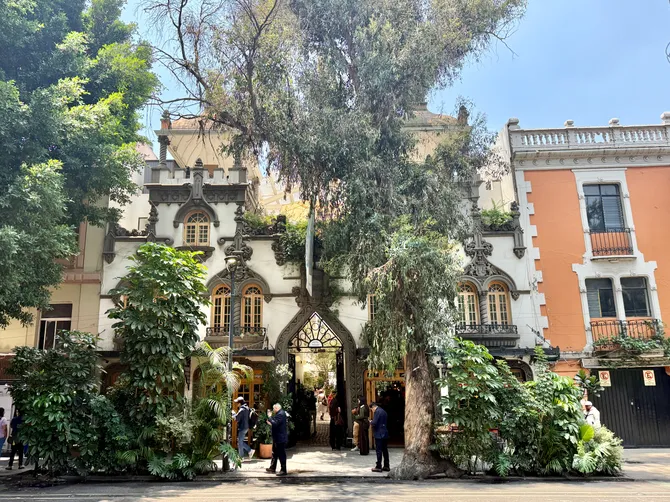
Trees arch over the streets. Plants tumble from balconies. Vines climb walls and enormous old trees shade the sidewalks. There are parks and little plazas everywhere. Restaurants and cafés spill out onto the streets beneath the greenery, and even the architecture seems softened by all those leaves.
And the climate is near perfect.
At around 2,240 metres, or more than 7,300 feet, above sea level, Mexico City is high enough to give it a remarkably temperate climate. I have been here in December and in summer, and both have their pleasures. The days are generally warm enough for a T-shirt, while mornings and evenings can be cool enough for a light jacket. Summer brings rain, often in dramatic afternoon bursts, but it doesn't have the relentless heat I had somehow associated with Mexico City.
The best part of Condesa and Roma Norte is the pleasure of walking.
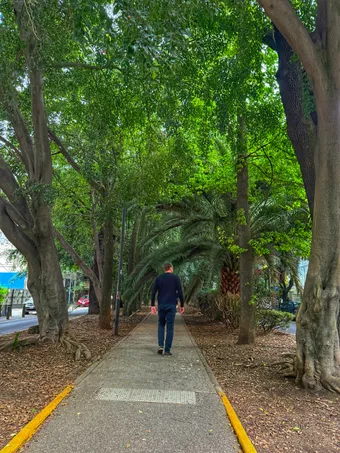
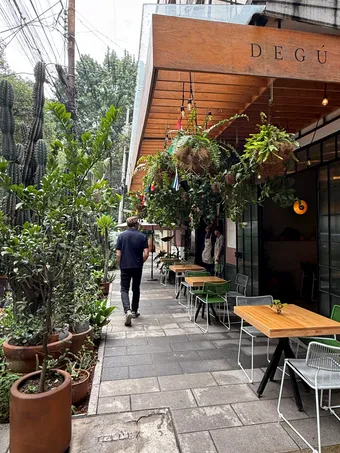
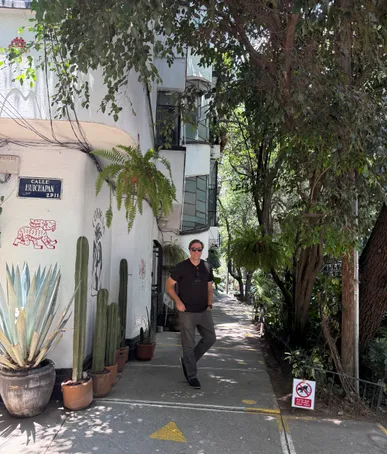
Roma Norte, Condesa and Hipódromo seem to flow into one another. You can walk from one to the next without really noticing where one neighborhood ends and another begins.
And then there is Avenida Amsterdam.
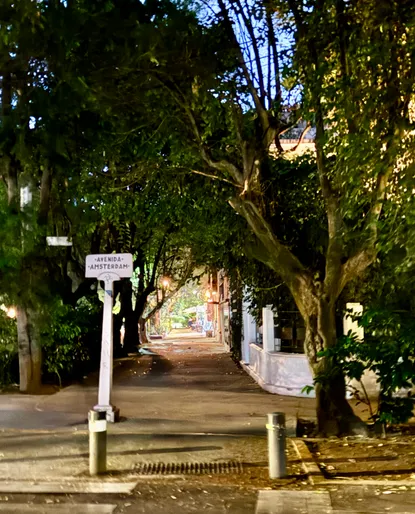
My husband Noah fell completely in love with this street. Amsterdam curves in a great oval through Hipódromo, following the outline of the old horse-racing track, with Parque México at its centre. It is one of those streets that makes you want to keep walking: enormous trees, Art Deco apartment buildings, balconies overflowing with plants, dogs being walked, cyclists passing by, people sitting at cafés.
Noah loved it so much that he insisted we rent an apartment on Amsterdam, simply so he could step out onto the street every morning.
It was worth it. There is something wonderfully luxurious about opening your front door and finding one of the prettiest streets in the city waiting for you.
The architecture is stunning.
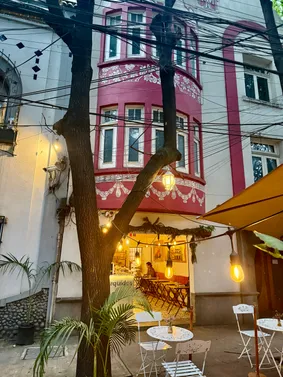
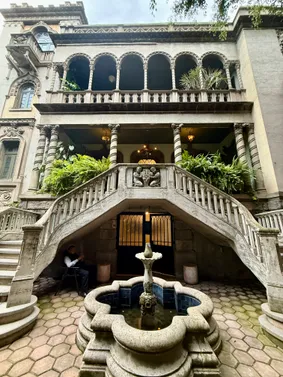
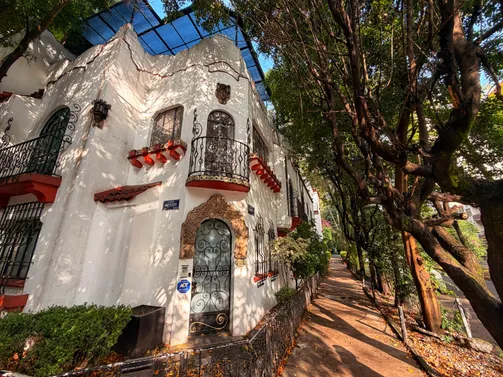
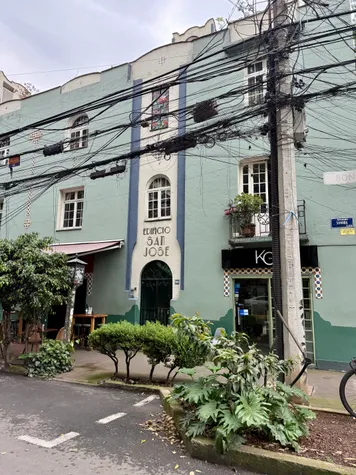
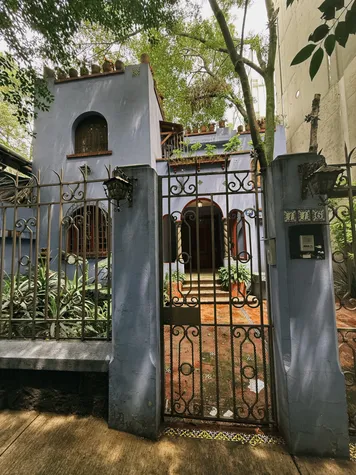
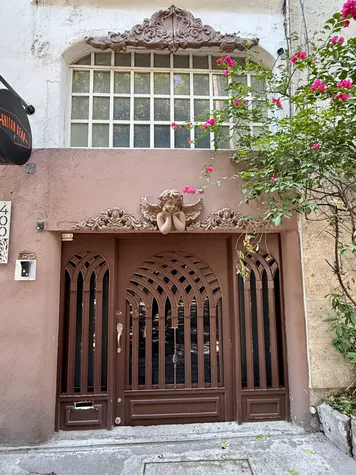
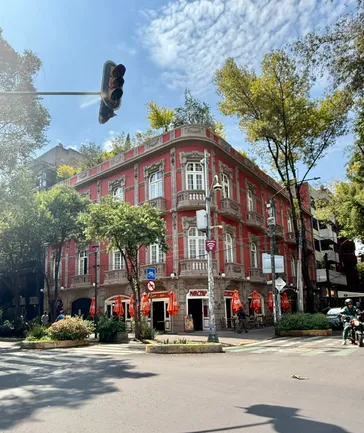
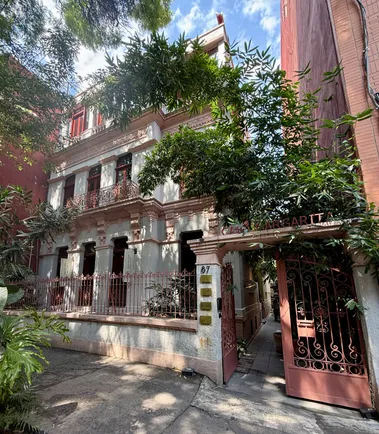
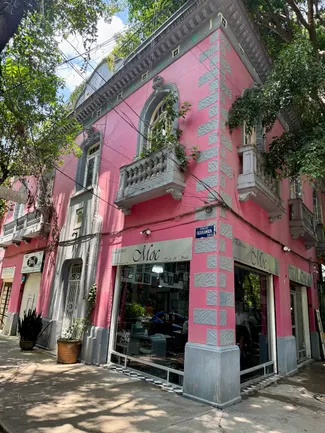
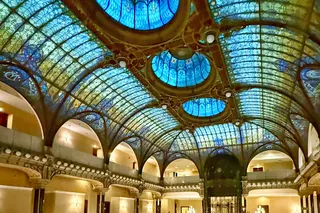
Roma has elegant early twentieth-century buildings, with Belle Époque, Art Nouveau and French influences mixed together. Condesa is perhaps best known for its Art Deco, with its curved façades, geometric details and handsome apartment buildings. Then contemporary Mexico City enters the picture: galleries, studios, restaurants and beautifully renovated spaces occupying old buildings alongside the new.
It is a wonderful visual jumble.
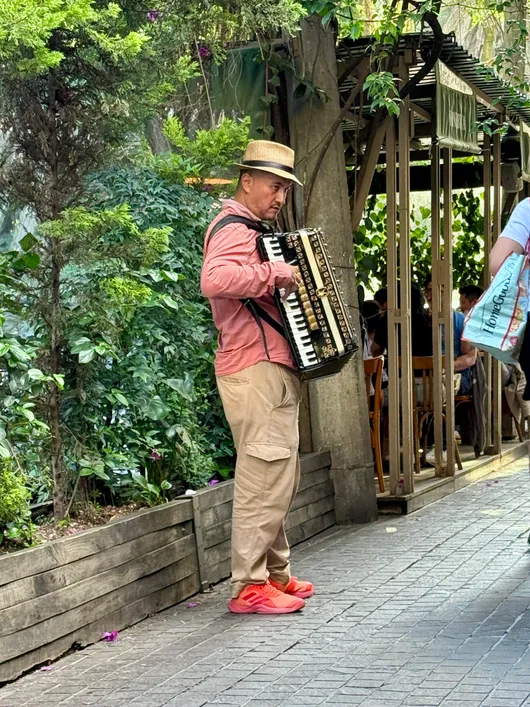
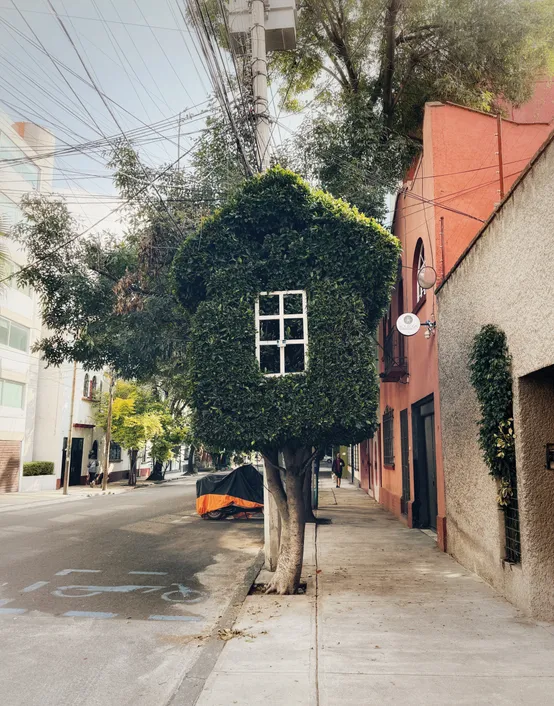
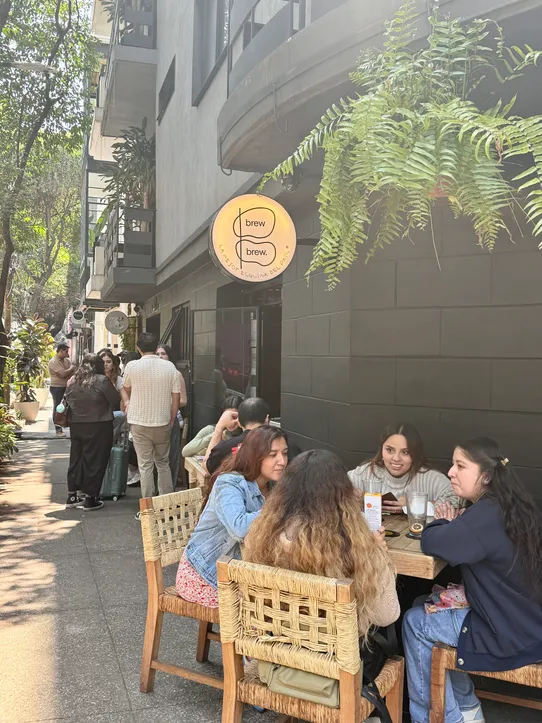
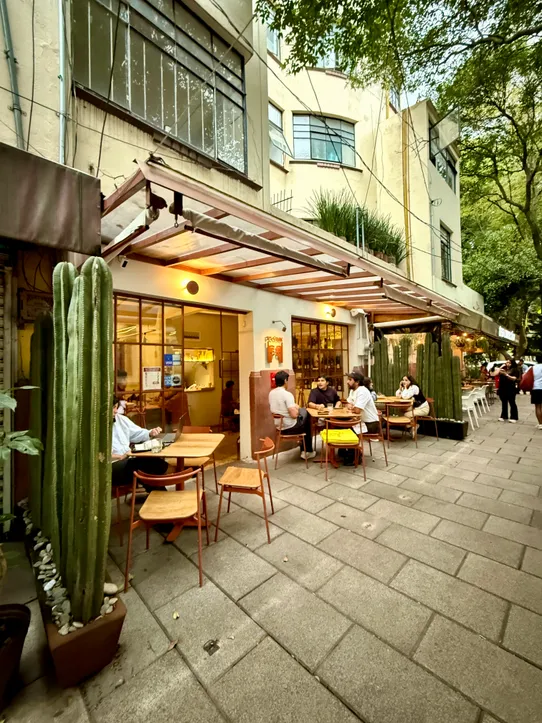
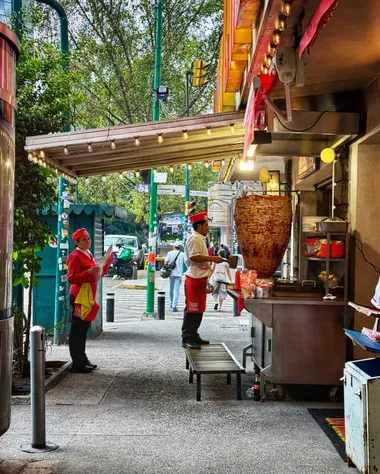
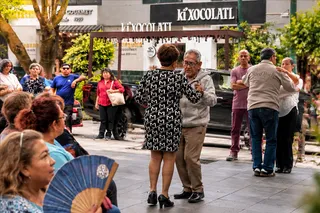
There are galleries everywhere, small art spaces and collectives, design shops and independent businesses. Good coffee. Very good pastry. Flower vendors. Street musicians. People sitting outside talking, eating, drinking and generally looking as though they have nowhere particularly urgent to be.
It feels distinctly European to me, but without the formality or the pomp. There is an ease to it.
And on Sundays, the city is transformed.
Through Muévete en Bici, some of the city's major streets are closed to cars and opened to cyclists, runners, skaters and walkers. People come out with their bikes, families ride together, and the streets become a kind of enormous temporary park. On the last Sunday of the month, the route expands further for the Ciclotón.
Of course, Roma Norte and Condesa have their downsides.
They are among the more international and expat-heavy parts of Mexico City, and that is reflected in the prices. They are not necessarily where you will find the most traditionally Mexican version of the city. And the popularity of these neighborhoods has brought the complicated reality of gentrification along with it.
I keep thinking that next time I might stay in Coyoacán. It is another beautiful, leafy part of the city, but with a completely different character: cobbled streets, colonial houses, old plazas, gardens and a slower, almost village-like feeling.
Although it might be very hard to tear Noah away from Avenida Amsterdam.